Published 11 Oct 2026 · Updated 12 Oct 2026
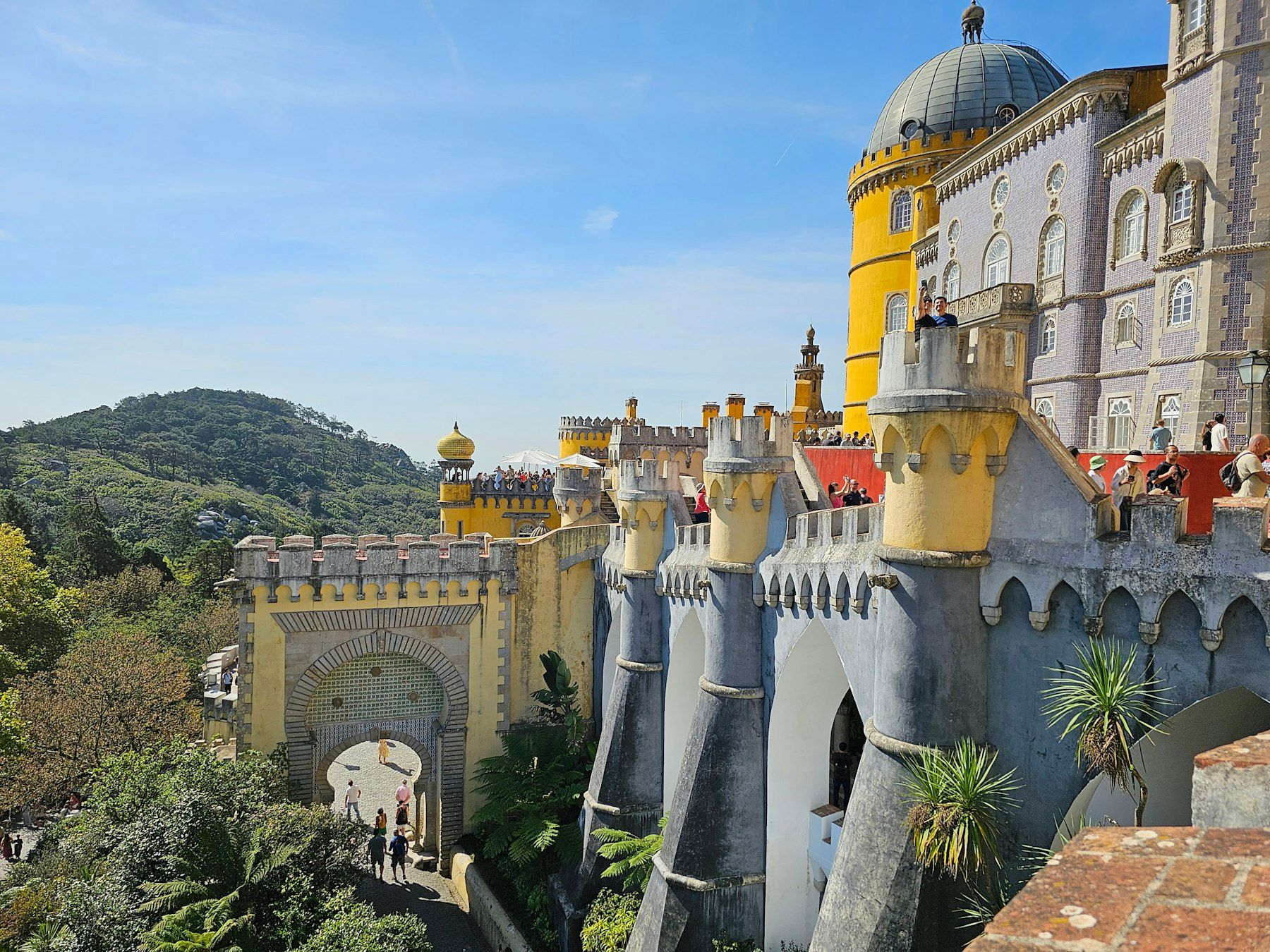
The simplest first trip to Portugal is Lisbon, a Sintra day trip, then a train north to Porto and a day in the Douro Valley, flown open-jaw into Lisbon and out of Porto. Budget roughly ₹1.2 to ₹1.75 lakh per person for seven days with flights, and start the Schengen visa at least six weeks before you fly.
Visa and entry rules for Indians
Indian passport holders need a Schengen short-stay visa (type C) for tourism in Portugal, applied for before travel. We checked the VFS Global Portugal page for India and the European Commission’s Schengen visa page on 11 October 2026, and they say:
- Where to apply: at a VFS Global centre in India. The Embassy of Portugal in New Delhi or the Consulate General in Goa takes the decision, depending on your jurisdiction, and the document checklists differ between the two. You must have lived in India for at least six months to apply there.
- Appointment: VFS says you book online and pay the service charge before visiting the centre.
- Fee: ₹9,736 (€90) for adults and ₹4,868 (€45) for children aged 6 to 12; children under 6 are exempt. VFS adds a mandatory service charge of ₹3,384 including GST. Courier and SMS are optional. Fees are not refunded on a refusal.
- How early: the EU says at least 15 days and no earlier than six months before travel. The VFS page also states a three-month limit for short-term applications, so use the shorter window to be safe.
- Processing: a decision within 15 calendar days of an admissible application, extendable to 45 in individual cases.
- Insurance: medical cover of at least €30,000 valid across the Schengen area for the whole stay. VFS says only insurers on its approved Indian list are accepted, and the original policy needs a QR code.
The checklist depends on your visa type and jurisdiction and is not exhaustive: you may be asked for more documents or an interview. Print the Schengen form back-to-back, use photos under six months old, and bring originals.
Border changes: the EU’s Entry/Exit System began its phased rollout on 12 October 2025, so allow extra time at the border. ETIAS is a separate authorisation planned for later and Indian passport holders already need the visa. Sites selling “ETIAS applications” or “Portugal visa” guarantees for large fees are not official.
Apply only through VFS Global and the Portuguese mission. Book refundable flights and hotels until the visa is in your passport.
The same visa covers other Schengen countries; see our Spain plan, Italy itinerary and Paris guide. More facts are on the Portugal hub.
What it costs in rupees
Per person, sharing a mid-range double room, for seven days (six nights). These are our estimates for typical fares and rates, and they move with season. One euro is roughly ₹95 to ₹105, so check the day’s rate.
| Item | Approx. cost |
|---|---|
| Return flights Delhi or Mumbai, one stop | ₹45,000 – ₹65,000 |
| Visa fee plus VFS service charge | about ₹13,100 |
| Hotels, 6 nights (half a €85–130 room) | ₹26,000 – ₹40,000 |
| Food, about €30–45 a day | ₹21,000 – ₹31,000 |
| Metro, Sintra buses, Lisbon–Porto and Douro trains | ₹7,000 – ₹11,000 |
| Attractions (Pena Palace, Belém, Porto cellar visits) | ₹6,000 – ₹10,000 |
| Travel insurance, eSIM, small extras | ₹4,000 – ₹6,000 |
| Total | ₹1.2 – ₹1.75 lakh |
Hotels dominate in Lisbon, and prices jump in summer. Lunch menus and bakery meals keep the food line down.
Day-by-day itinerary
Day 1: arrive in Lisbon
Take the metro from the airport to the centre. Walk the Baixa grid down to Praça do Comércio and the river, then climb to a miradouro (viewpoint) for sunset. Lisbon is steep, so wear shoes with grip: the cobbles are slippery when wet.
Day 2: Alfama and Belém
Start at the Sé cathedral and wander Alfama, then ride or walk up to the Castelo de São Jorge for the view. After lunch, go west to Belém for the Jerónimos Monastery, the tower and the original custard-tart bakery. Book the monastery ticket for a fixed slot where the site allows.
Day 3: Sintra day trip
Take the train from Rossio to Sintra (about 40 minutes) and start with the Pena Palace while the queues are short. Add the Quinta da Regaleira gardens, with its spiral well, and the old town for lunch and travesseiros (pastries). Buy timed tickets online; the palace sells out in summer.
Day 4: Lisbon to Porto
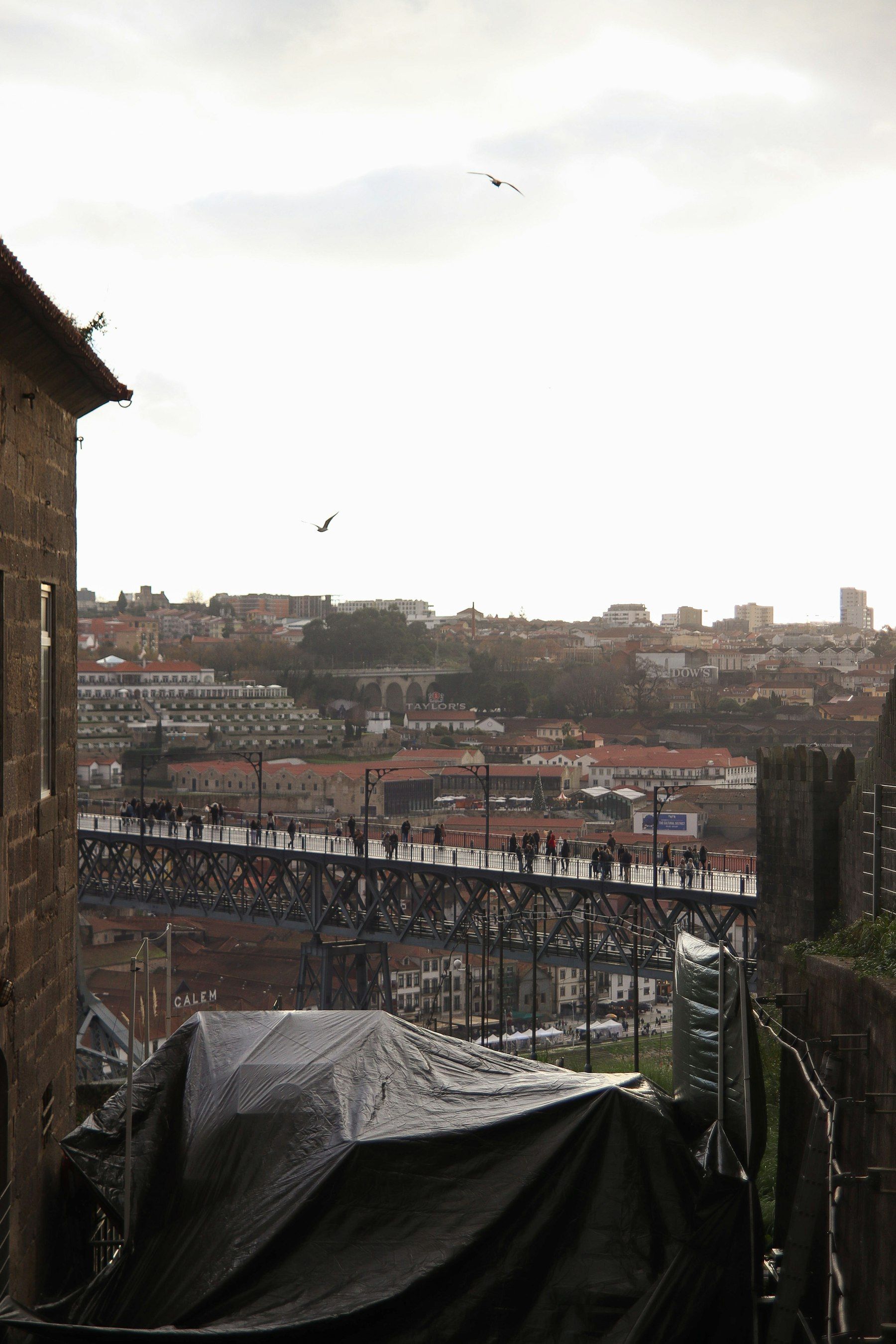
Take a morning intercity train to Porto (about three hours; book a seat in advance). Walk down from São Bento station, whose hall is lined with blue tiles, to the Ribeira riverfront and cross the Dom Luís I bridge’s upper deck for the view.
Day 5: Porto
Visit the Livraria Lello bookshop (timed ticket), the Clérigos tower and the shopping streets around Santa Catarina, then cross to Vila Nova de Gaia for a port-wine cellar tour and tasting. If you don’t drink, the cellars also serve juices and the riverside walk is free.
Day 6: Douro Valley
Join a day tour or take the train from São Bento along the river to Pinhão (a bit under three hours each way), a scenic ride past terraced vineyards. A tour with a boat and a quinta lunch is easier to organise. Return to Porto for the night.
Day 7: fly home
Porto’s airport is connected by metro to the centre; allow three hours before an international departure.
Eating in Portugal as an Indian traveller
The traditional menu is built around salt cod, grilled fish, pork and cured meats, and even soups are often made with meat stock. For vegetarians the easier meals are bakery sandwiches with cheese, caldo verde without sausage (ask), açorda (bread soup), vegetable and bean stews, pastéis de nata, and the many modern vegetarian cafés in Lisbon and Porto. Lisbon’s Martim Moniz and Mouraria area has a cluster of Indian, Nepali and Bangladeshi restaurants where dal, paneer and roti are reliable. Say “sem carne e sem peixe” and check whether the stock or lard was used. The prato do dia (dish of the day) at lunch is usually the cheapest hot meal. Strict Jain travellers should carry dry snacks.
Best time to go
April to June and September to October are best: warm, long days and open gardens. July and August are hot, crowded and expensive, and Sintra queues are long. November to March is cool and wetter, with fewer tourists, cheaper flights and Christmas lights in Lisbon. Porto is wetter than Lisbon outside summer, so pack a light rain jacket.
Practical tips
- Money: carry a forex card or a multi-currency card. Card and contactless payment is standard, but keep some euro cash for cafés and small shops. Do not rely on UPI.
- Trains: book the Lisbon–Porto intercity ticket online a few days ahead, especially on Fridays and Sundays.
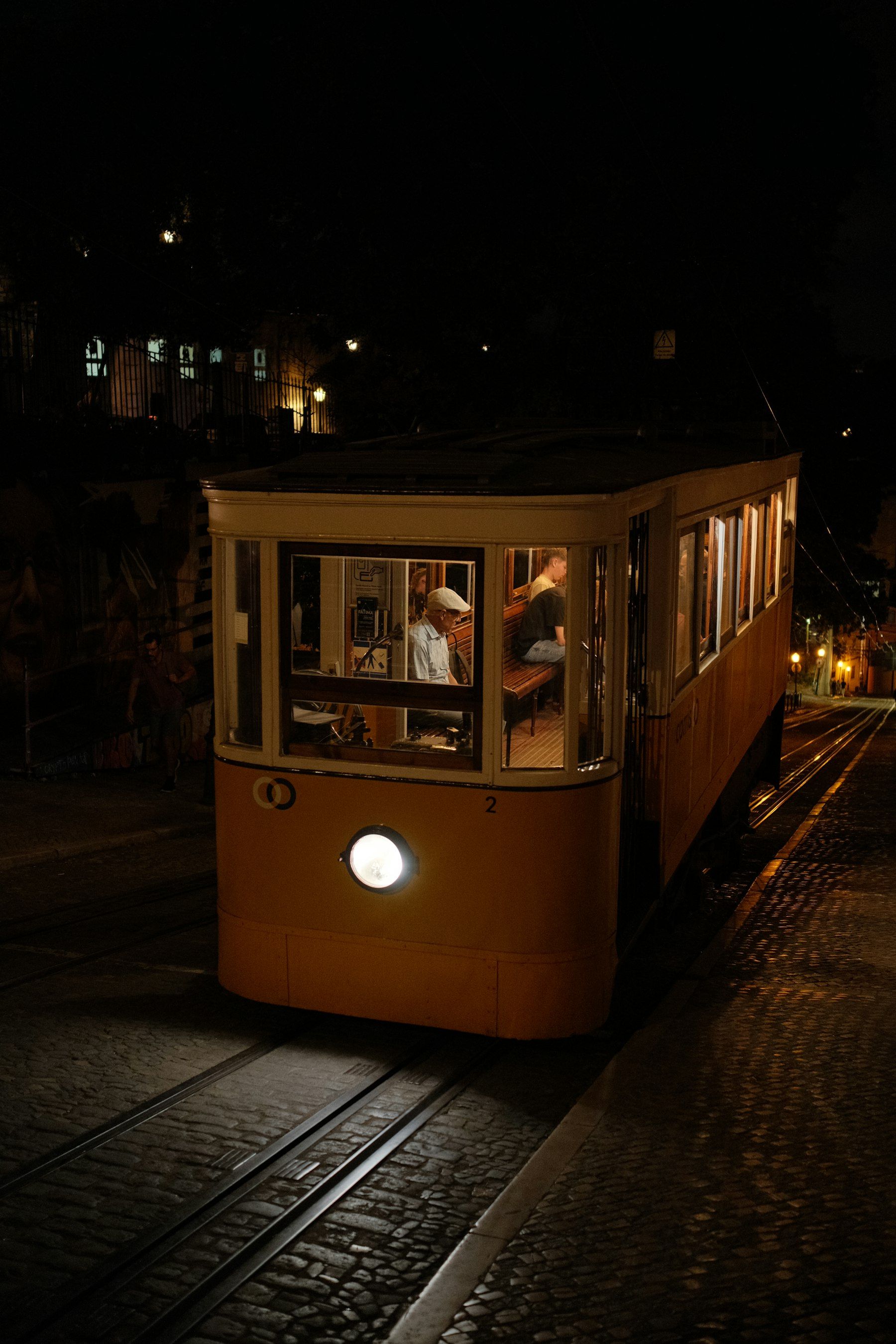
- Transport: a rechargeable transit card makes Lisbon’s metro, trams and buses cheaper than single tickets. Taxi and ride-hailing apps work in both cities.
- Walking: both cities are hilly and cobbled; use comfortable shoes.
- SIM: an eSIM bought before you fly saves queueing at the airport.
- Plugs: Portugal uses the two-round-pin Type C/F plug at 230 V, so pack an adapter.
- Pickpockets: crowded trams and the Sintra bus are known spots. Keep your phone and passport in a zipped pocket.
Related guides
For other Schengen trips on the same visa, see the Spain plan, the Italy 8-day plan, the Paris itinerary or the Croatia 7-day plan. All facts for Portugal are on the Portugal hub.
Frequently asked questions
Do Indians need a visa for Portugal?
Yes. Indian passport holders need a Schengen short-stay visa (type C) for tourism in Portugal. You lodge it at a VFS Global centre, and the Embassy of Portugal in New Delhi or the Consulate General in Goa decides it, depending on your jurisdiction. It allows up to 90 days in any 180.
How much is the Portugal visa fee for Indians?
The VFS Global page for Portugal lists ₹9,736 (€90) for adults and ₹4,868 (€45) for children aged 6 to 12, and children under 6 are exempt. A mandatory VFS service charge of ₹3,384 comes on top, so an adult pays about ₹13,100 before optional extras such as courier.
How early should I apply for a Portugal visa from India?
The EU rule is no earlier than six months and at least 15 days before travel, and the normal decision time is 15 days, up to 45. The VFS page also mentions a three-month limit for short-term visas, so confirm with VFS. Plan to apply six to eight weeks ahead and keep flights refundable until the visa arrives.
How many days are enough for Portugal?
Seven days covers Lisbon, a Sintra day trip, Porto and a day in the Douro Valley without rushing. With five days, do Lisbon and Sintra, then Porto for two nights. The train between Lisbon and Porto takes about three hours.
How much does a Portugal trip cost from India?
Roughly ₹1.2 to ₹1.75 lakh per person for seven days, sharing a mid-range double room, including return flights from Delhi or Mumbai, the visa, trains, food and entry tickets. Flights and the travel month make the biggest difference.
Is Portugal good for vegetarians from India?
It is workable but not easy. Menus lean on fish, ham and meat stock, even in soups. Look for cheese, vegetable and bean dishes, bakeries, and the Indian restaurants around Martim Moniz in Lisbon. Say 'sem carne e sem peixe' and ask about stock. Strict Jain food is hard to find.
Should I fly into Lisbon and out of Porto?
Usually yes. Open-jaw tickets, in Lisbon and out of Porto, save a four-hour return trip by train and one hotel night. Compare the price against a plain return fare, since one-stop fares are sometimes cheaper into one airport.
What is the best time to visit Portugal from India?
April to June and September to October give mild weather and long days. July and August are hot and crowded, especially in Sintra and the Douro. Winter is wet and cool but cheap, and the city is quieter.