Published 11 Oct 2026
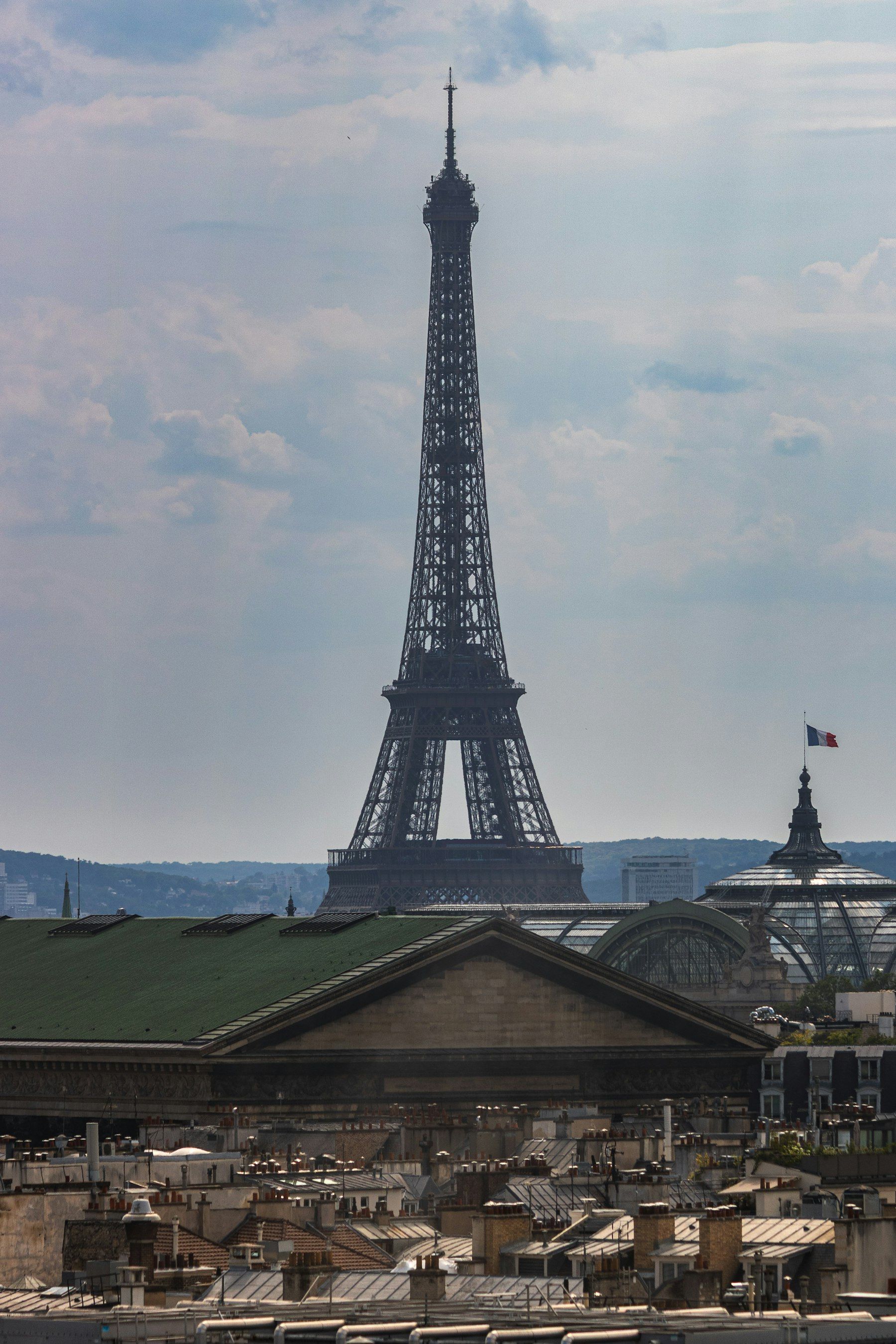
For a first trip to France, spend four nights in Paris, add Giverny and Versailles as day trips, and fly home on day six. Budget roughly ₹1.35 to ₹1.9 lakh per person including flights, and start the Schengen visa at least six weeks before you fly.
Visa and entry rules for Indians
Indian passport holders need a Schengen short-stay visa (type C) for tourism in France, applied for before travel. We checked the Embassy of France in India’s visa page and the European Commission’s Schengen visa page on 11 October 2026, and they say:
- Where to apply: file the application online on the official France-Visas portal, which shows the visa centre your application depends on and the steps to file there. France uses external visa centres, so there is an appointment for fingerprints and photograph. The France-Visas portal and the VFS Global site both blocked our automated checks, so confirm the centre and appointment slots there.
- Fee: the European Commission lists €90 for adults and €45 for children aged 6 to 12. A visa centre may charge a service fee on top; we could not read the current figure, so take it from the portal.
- How early: the embassy says you can file up to six months before departure; the EU rule is at least 15 days before.
- Processing: a decision normally takes 15 days, and up to 45 if more checks or documents are needed.
- Insurance: you need medical insurance covering emergency care, hospitalisation and repatriation.
The portal’s visa assistant lists the supporting documents for your case. In practice that means flight and hotel reservations, bank statements, income-tax returns and a cover letter. We could not load the document checklist, so follow the portal’s list exactly.
Border changes: the embassy says the EU’s Entry/Exit System (EES) began rolling out on 12 October 2025, collecting data at the border from non-EU travellers, so allow extra time on arrival. ETIAS is expected to start at the end of 2026, but it is not operating yet and Indian passport holders already need the visa. Websites selling “ETIAS applications” are scams.
Apply only through France-Visas and the official visa centre. Look-alike “France visa” sites charge large fees for the same appointment. Book flights on a refundable or flexible fare until the visa is in hand.
The same visa covers other Schengen countries; see our Italy plan for Rome, Florence and Venice and Spain itinerary. More facts are on the France hub.
What it costs in rupees
Per person, sharing a mid-range double room, for six days (five nights in a central Paris hotel). These are our estimates for typical fares and rates, and they swing with season. One euro is roughly ₹95 to ₹105, so check the day’s rate.
| Item | Approx. cost |
|---|---|
| Return flights Delhi or Mumbai to Paris | ₹48,000 – ₹70,000 |
| Visa fee plus visa centre service charge | about ₹11,000 – ₹12,500 |
| Hotels, 5 nights (half a €130–180 room) | ₹32,000 – ₹46,000 |
| Food, about €35–50 a day | ₹21,000 – ₹30,000 |
| Metro and RER, Versailles and Giverny trains | ₹6,000 – ₹9,000 |
| Attractions (Louvre, Eiffel Tower, Versailles, Seine cruise) | ₹14,000 – ₹19,000 |
| Travel insurance, eSIM, small extras | ₹4,000 – ₹6,000 |
| Total | ₹1.35 – ₹1.9 lakh |
Book the Louvre, the Eiffel Tower and Versailles online for a fixed time slot; all three sell out and queue at the gate. A hotel near a Metro line in the 5th to 11th arrondissements saves more on transport than a cheaper room on the edge of the city.
Day-by-day itinerary
Day 1: Arrive and walk the river
Take the RER B or a taxi from Charles de Gaulle into the city. In the evening, walk along the Seine from Notre-Dame, where the cathedral has reopened, past the bookstalls to the Pont des Arts. A Seine boat cruise after dark is the easiest first-night plan.
Days 2–3: Paris
Day two: the Louvre in the morning (timed ticket; the Mona Lisa room is crowded, so pick a wing and skip the rest), then the Tuileries Garden and the Champs-Élysées down to the Arc de Triomphe. Climb the Arc at sunset.
Day three: the Eiffel Tower early, with a ticket for the summit or second floor booked weeks ahead; the lift queue is long late in the day. Then Trocadéro for the classic view, the Musée d’Orsay in the afternoon, and Montmartre and Sacré-Cœur in the evening.
Day 4: Giverny
Take the train from Paris Saint-Lazare to Vernon (about 45 minutes), then the shuttle or a bike to Monet’s house and gardens. The gardens open in spring and close for winter, so check the season before you go. April to October is the window for the water lilies and the Japanese bridge.
Day 5: Versailles
Take the RER C to Versailles Château-Rive Gauche (about 40 minutes). Start with the Hall of Mirrors and the state apartments, then walk the gardens and, if the weather is good, the Trianon estate. Book a timed entry; the palace is closed on Mondays.
Day 6: Last morning and home
Spend the last morning on the Marais: Place des Vosges, falafel on rue des Rosiers, and the shops. Take the RER B to Charles de Gaulle and allow three hours before an international departure.
Eating in Paris as an Indian traveller
French kitchens use meat stock and animal fat widely. Vegetarians can eat well in crêperies (galette complète without ham, or with cheese and mushrooms), falafel in the Marais, cheese and bread at any boulangerie, onion soup (ask about the stock) and vegetable tarts. Say “sans viande, sans poisson”. Gare du Nord and La Chapelle have a cluster of Indian and Sri Lankan restaurants, which are reliable for dal, paneer and dosa. Lunch is the cheap meal: the formule or menu du jour is often €15 to €22. Tap water is free in restaurants: ask for “une carafe d’eau”.
Best time to go
April to June and September to October are best: mild days, long evenings and the gardens in bloom or colour. July and August are warm, crowded and expensive, and many small restaurants close in August. November to March is cold and grey but cheaper, and Christmas lights make December pretty. Giverny’s gardens are closed in winter.
Practical tips
- Money: carry a forex card or multi-currency card. Cards and contactless payment are standard; keep a little euro cash for bakeries and markets. UPI is accepted at a few merchants, including the Eiffel Tower, but do not rely on it.
- Pickpockets: the Metro, Louvre queue, Montmartre and the Eiffel Tower area are known for them. Keep your phone and passport in a zipped inner pocket.
- Transport: a rechargeable Navigo pass is the cheap way to ride the Metro and RER; ask at a station kiosk which card suits a six-day stay.
- SIM: an eSIM bought before you fly saves queueing at the airport.
- Plugs: France uses the two-round-pin Type C/E plug at 230 V, so pack an adapter.
- Paperwork: keep your visa, insurance certificate and hotel bookings in one folder, since the border officer can ask for any of them.
Related guides
Want another Schengen trip on the same visa? See the Italy 8-day plan, the Spain itinerary, the Switzerland honeymoon guide or the cheaper Prague trip. All facts for France are on the France hub.
Frequently asked questions
Do Indians need a visa for France?
Yes. Indian passport holders need a Schengen short-stay visa (type C) for tourism in France. You file the form on the official France-Visas portal and lodge it, with biometrics, at the French visa centre for your state. It allows up to 90 days in any 180.
How much is the France visa fee for Indians?
The EU Commission fee table lists €90 for adults and €45 for children aged 6 to 12; under 6 is free. Visa centres can add a service charge on top, and the rupee amount moves with the euro. The France-Visas portal shows the exact figure for your case when you apply.
How early should I apply for a France visa from India?
France's embassy page says you can file up to six months before departure, and the EU rule is at least 15 days before. A decision normally takes 15 days and can take up to 45. Apply six to eight weeks ahead, and avoid paying for non-refundable flights until the visa is approved.
How many days are enough for Paris?
Four full days cover the main sights at a relaxed pace. Six days lets you add Versailles and Giverny as day trips without rushing, which is what this plan does. With three days, skip Giverny and do the Louvre, Eiffel Tower, Montmartre and Versailles.
How much does a Paris trip cost from India?
Roughly ₹1.35 to ₹1.9 lakh per person for six days, sharing a mid-range hotel room, including return flights from Delhi or Mumbai, the visa, transport, food and attractions. Flights and hotel location are the biggest swings.
Is Paris good for vegetarians?
It is manageable. Crêperies, falafel in the Marais, Indian and Sri Lankan restaurants around Gare du Nord, and bakeries make it easy. French menus hide meat stock and lard, so say 'sans viande, sans poisson' and ask about the broth. Jain food is hard, so carry dry snacks.
What is the best time to visit Paris from India?
April to June and September to October: mild weather and long days. July and August are warm and busy, and August is when many small restaurants close. Winter is cold and grey but cheaper, with Christmas lights in December.