Published 10 Oct 2026
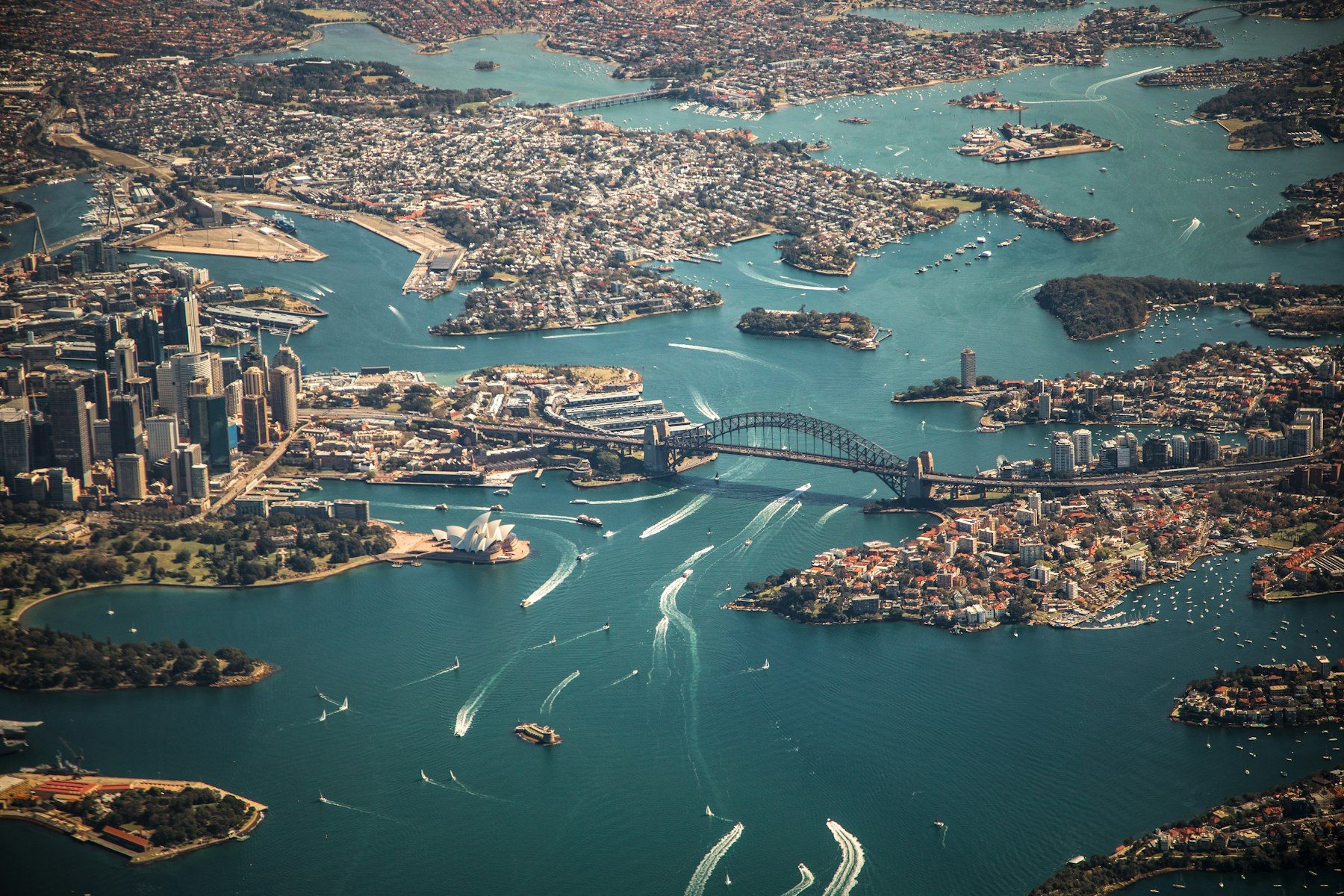
An 8-day Australia trip from India for two cities, Sydney and Melbourne, costs about ₹1.67 lakh to ₹2.59 lakh per person including flights, and you need a Visitor visa (subclass 600) before you fly. This plan adds the Blue Mountains and the Great Ocean Road as day trips and uses one short internal flight.
Visa and entry rules for Indians
Indian passport holders need a visa for Australia; for tourism it is the Visitor visa (subclass 600), applied for through the Department of Home Affairs. We checked the department’s Visitor visa page on 10 October 2026.
- What it is. The page describes the visa as “for tourists, business visitors or to visit family for 3, 6 or 12 months”.
- What you must show. The two eligibility points it lists are that you are a genuine visitor and that you have enough funds to support your stay and leave. In practice, that means recent bank statements, proof of employment or study and a return ticket.
- What we could not verify. The fee and the processing time are loaded dynamically on the Home Affairs site, and we could not read them when we checked. We will not quote a figure we have not seen. Check the department’s current visa pricing page and its processing-times tool before you book flights.
The page names three durations, 3, 6 or 12 months, which is the length of the visa you are granted. How long you may stay on each visit is set by the grant, so read the conditions on your visa grant notice.
Apply only through the official Home Affairs website (homeaffairs.gov.au). Look-alike sites charge extra for forms you can file yourself, and no agent can promise approval.
What it costs in rupees
Per person, sharing a double room, for 8 days and 7 nights. These are our estimates for mid-range travel, not quotes, and the visa fee is left out because we could not verify it.
| Item | Approx. cost |
|---|---|
| Return flight, Delhi, Mumbai, Chennai or Bengaluru to Sydney, one stop | ₹70,000 – ₹1,05,000 |
| Hotels, 7 nights in Sydney and Melbourne (half a double room) | ₹42,000 – ₹65,000 |
| Food, ₹2,800 – ₹4,000 a day | ₹22,000 – ₹32,000 |
| Sydney to Melbourne flight, airport trains, trams and local transit | ₹11,000 – ₹20,000 |
| Great Ocean Road tour, Blue Mountains, Opera House, cruise, zoo | ₹14,000 – ₹24,000 |
| eSIM, insurance, small extras | ₹8,000 – ₹13,000 |
| Total | ₹1,67,000 – ₹2,59,000 |
Flights are the biggest line, and they swing with the season: the late-December holidays cost the most. Sydney hotels are expensive; a room near Central Station or in Chinatown, a short tram or train from the sights, costs less than one at Circular Quay. The Australian dollar is roughly ₹55 to ₹60, but check the day’s rate before you convert any budget.
Day-by-day plan
Day 1: arrive in Sydney
Most flights from India land early in the morning. Take the airport train to Central, drop your bags and walk down to Circular Quay for your first look at the Opera House and Harbour Bridge. Have an early night; the flight from India is long.
Day 2: Opera House, The Rocks and the harbour
Take a guided Opera House tour in the morning, then walk through The Rocks and the Royal Botanic Garden to Mrs Macquarie’s Chair for the classic view. In the evening, take a ferry to Manly or a harbour cruise at sunset.
Day 3: Blue Mountains
Take the train from Central to Katoomba, about two hours. Walk to Echo Point for the Three Sisters, then take the Scenic World rides or one of the Giant Stairway walks if the weather is clear. Leave in time to be back in Sydney for dinner.
Day 4: beaches and the zoo
Walk the coastal path from Bondi to Coogee, then spend the afternoon at Taronga Zoo, a ferry ride from Circular Quay, for a view of the skyline with the animals in front. Dinner in Harris Park, west of the city, is a good option if you want a proper North Indian meal.
Day 5: fly to Melbourne
Take a morning flight from Sydney to Melbourne, a bit over an hour. Reach the city by SkyBus or taxi, and walk the laneways in the afternoon: Hosier Lane for street art, Degraves Street for coffee, and the State Library. Take the free City Circle tram for a quick orientation.
Day 6: Melbourne at an easy pace
Visit Queen Victoria Market in the morning and the National Gallery of Victoria or the Royal Botanic Gardens. In the evening, try a tram ride to St Kilda for the beach and the sunset, or watch the penguins at Phillip Island if you can spare the extra day.
Day 7: Great Ocean Road
Book a full-day group tour from Melbourne, which covers the coast road, a rainforest stop and the Twelve Apostles. It is a long day, roughly 12 hours, so take motion-sickness tablets if you need them. A self-drive takes the same time and needs an international driving permit.
Day 8: fly home
Take the SkyBus to the airport, three hours before an international flight. Eat a last breakfast in a laneway café before you go.
Food for vegetarians and Jain travellers
Both cities have a large Indian-origin population, so finding a vegetarian thali is easy. Sydney’s Harris Park and Melbourne’s suburbs have many Indian restaurants. In mainstream restaurants, vegetarian dishes are marked clearly, but check for eggs and for dishes cooked in shared pans. Jain travellers should call ahead and keep dry snacks for long tour days.
Best time to go
September to November and March to May are the best months. December to February is summer, hot and busy, with school holidays and the highest prices. June to August is winter: cool, with rain in Melbourne, though flights and hotels cost less. Australia is on daylight saving from October to early April.
Practical tips
- Money: use a forex card or a no-markup Visa or Mastercard. Cards and contactless payment are accepted almost everywhere, so you need little cash. We would not rely on UPI.
- SIM: an eSIM bought before you fly works on landing.
- Plugs: Australia uses the Type I plug at 230 V, so bring an adapter.
- Transport: top up an Opal card in Sydney and a myki card in Melbourne, or use contactless cards where accepted.
- Time: Sydney and Melbourne are 4 hours 30 minutes ahead of India in the southern winter and 5 hours 30 minutes ahead during daylight saving.
- Food and customs: Australia is strict about food, plant and animal products at the border. Declare packed snacks and spices on the arrival card rather than risk a fine.
Related guides
For another long-haul trip planned around a visitor visa and a rupee budget, see our New Zealand South Island road trip. If you want a stopover on the way, our Singapore family plan covers a city that is easy to add. For a similar city-and-coast mix closer to home, try the Malaysia honeymoon plan. More facts are on the Australia hub.
Frequently asked questions
Do Indians need a visa for Australia?
Yes. Indian passport holders apply for a Visitor visa (subclass 600) with the Department of Home Affairs before they fly. The department describes it as a visa for tourists, business visitors or family visits for 3, 6 or 12 months, and asks you to be a genuine visitor with enough funds to support your stay and leave.
How much does the Australia visitor visa cost for Indians?
We could not load the fee from the Home Affairs site, so we do not quote one. The charge is set in Australian dollars and is revised from time to time. Check the department's current visa pricing page on the day you apply, and expect to pay it in addition to any health, police or biometrics requirements that apply to you.
How much does an 8-day Australia trip cost from India?
Plan on about ₹1.67 lakh to ₹2.59 lakh per person for 8 days including flights, hotels, food, an internal flight and tours, with the visa fee on top. Flights and Sydney hotels are the two biggest lines.
Is Australia worth it for a first trip abroad?
It suits confident first-timers more than nervous ones. English is the everyday language, public transport is clear and the cities are safe, but it is a long flight and it is expensive. Many first-time travellers start with Singapore or Dubai and move to Australia on the second or third trip.
Can Indian vegetarians eat well in Australia?
Yes, especially in Sydney and Melbourne. Both have large Indian communities and plenty of Indian restaurants, and mainstream cafés list vegetarian and vegan dishes clearly. Jain food needs more planning; ask for no onion or garlic and carry snacks for tour days.
What is the best time to visit Sydney and Melbourne?
September to November (spring) and March to May (autumn) give mild weather and fewer crowds than the summer holidays from late December to January. Remember the seasons are reversed: June to August is winter, cool and often rainy in Melbourne.
How many days do you need for Sydney and Melbourne?
Seven or eight days is a comfortable minimum: four in Sydney with a Blue Mountains day, a short internal flight, and four in Melbourne with a Great Ocean Road day. With five days, do Sydney only.