Published 10 Oct 2026 · Updated 13 Oct 2026
For a first trip to Italy, fly into Rome, take trains to Florence and then Venice, and fly home from Venice. Budget roughly ₹1.4 to ₹1.95 lakh per person for eight days including flights, and start the Schengen visa at least six weeks before you fly.
Visa and entry rules for Indians
Indian passport holders need a Schengen short-stay visa (type C) for tourism in Italy, applied for in advance. The Italian Embassy in New Delhi’s visa page, which we checked on 10 October 2026, says:
- Where to apply: through VFS Visa Application Centres, by appointment, in New Delhi, Jalandhar or Chandigarh; residents of other states are directed to the consulates in Kolkata, Mumbai or Bangalore. The embassy says using a Visa Application Centre is not mandatory, and the Visa Section makes all decisions.
- Fee: €90 for adults, €45 for ages 6 to under 12, free under 6. The page says rupee amounts vary with the exchange rate. VFS charges a service fee on top, which we could not confirm from the embassy page, so read it off VFS before booking an appointment.
- How early: not earlier than six months before the intended journey.
- Processing: decisions on C visas are generally reached within 15 calendar days, and some cases take longer.
- Passport: residual validity of at least 3 months after the intended stay, and at least 2 blank pages.
The embassy page does not list the supporting documents for a tourist visa. It refers applicants to the Italian foreign ministry’s “Visa for Italy” website and to the checklist at VFS, so follow that checklist exactly. In practice it covers flight and hotel reservations, travel insurance with the minimum cover the Schengen rules require, bank statements and an income-tax return; confirm each item on the current checklist.
Apply only through VFS or the embassy. Look-alike “Italy visa” sites charge large fees for the same appointment. Book your flight only on a refundable or flexible fare, or use a dummy itinerary where the checklist allows it, until the visa is in hand.
Once you hold a Schengen visa you can also add a day trip or a few days in a neighbouring Schengen country; for the same process on another European trip, see our Switzerland honeymoon guide and Iceland guide.
What it costs in rupees
Per person, sharing a mid-range double room, for eight days (three nights in Rome, two in Florence, three in Venice). These are our estimates for typical fares and rates, and they swing with season. One euro is roughly ₹95 to ₹105, so check the day’s rate.
| Item | Approx. cost |
|---|---|
| Return flight, Delhi or Mumbai to Rome, home from Venice | ₹55,000 – ₹75,000 |
| Visa fee plus VFS service charge and photos | ₹10,000 – ₹11,500 |
| Hotels, 7 nights (half the room cost) | ₹30,000 – ₹45,000 |
| Food, about ₹2,500 – ₹3,500 a day | ₹20,000 – ₹28,000 |
| Trains Rome–Florence–Venice, second class, booked ahead | ₹6,000 – ₹9,000 |
| Entry tickets (Colosseum, Vatican, Uffizi, one more) | ₹8,000 – ₹12,000 |
| Insurance, eSIM, city tax, local transport, small extras | ₹8,000 – ₹12,000 |
| Total | ₹1,40,000 – ₹1,95,000 |
Hotels charge a city tax per person per night, usually paid at check-out and not included in the booking price. The amount depends on the city and the hotel’s star rating, so check it on your booking.
Day-by-day 8-day Italy itinerary
Day 1: arrive in Rome
Aim for a hotel near Termini station or in the Monti district, so the metro, airport train and the Florence train are all close. Take a slow walk to the Trevi Fountain and the Pantheon in the evening, when the crowds thin.
Day 2: ancient Rome
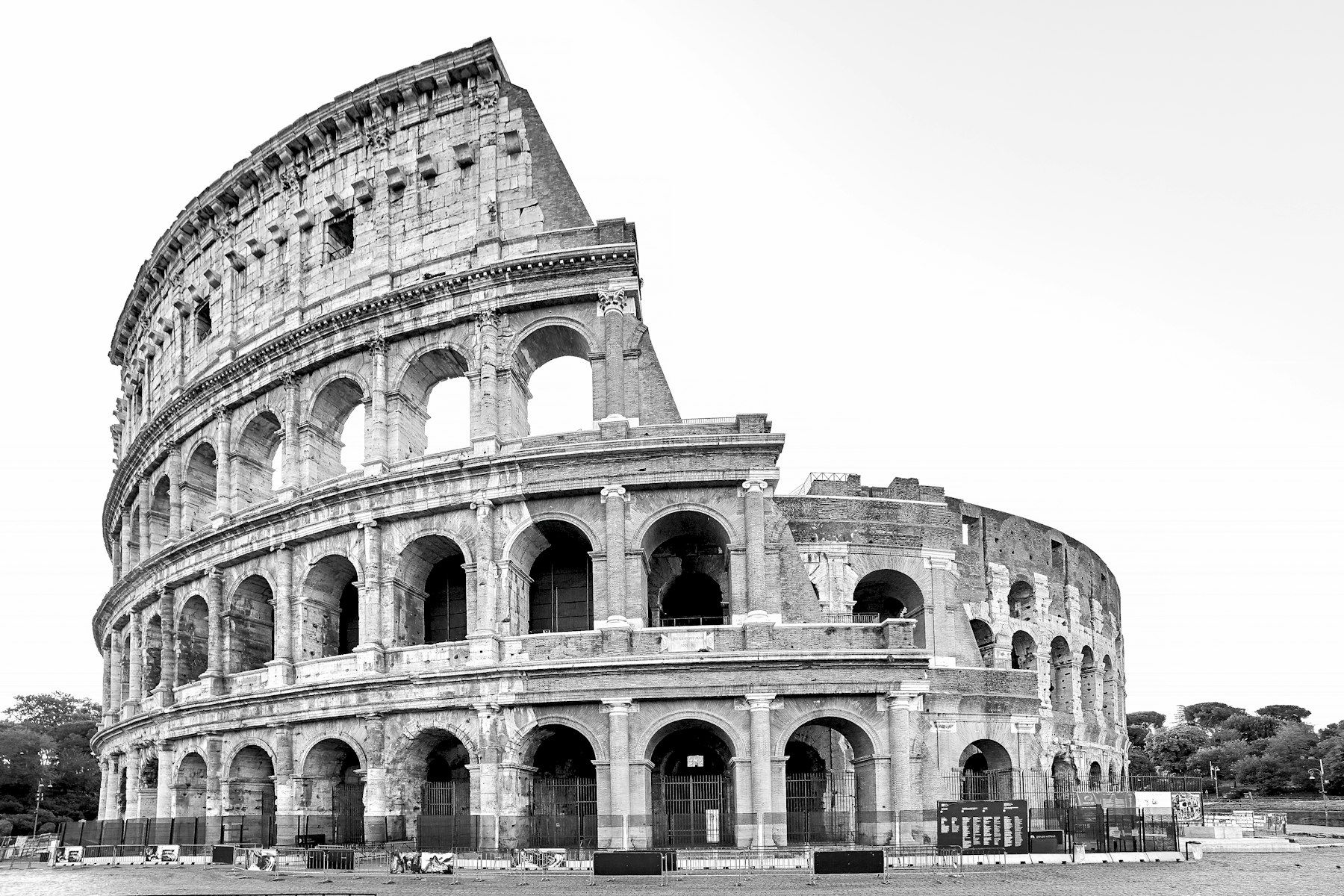
Book a timed entry for the Colosseum, Roman Forum and Palatine Hill, which are usually sold together, and go in the first slot. Eat lunch in Monti, then walk to the Capitoline Hill for the view over the Forum at sunset.
Day 3: Vatican and Trastevere
Pick the first Vatican Museums slot you can book, then see the Sistine Chapel and St Peter’s Basilica. Dress with covered shoulders and knees, or you will be turned away at the basilica. Spend the evening in Trastevere for dinner.
Day 4: train to Florence
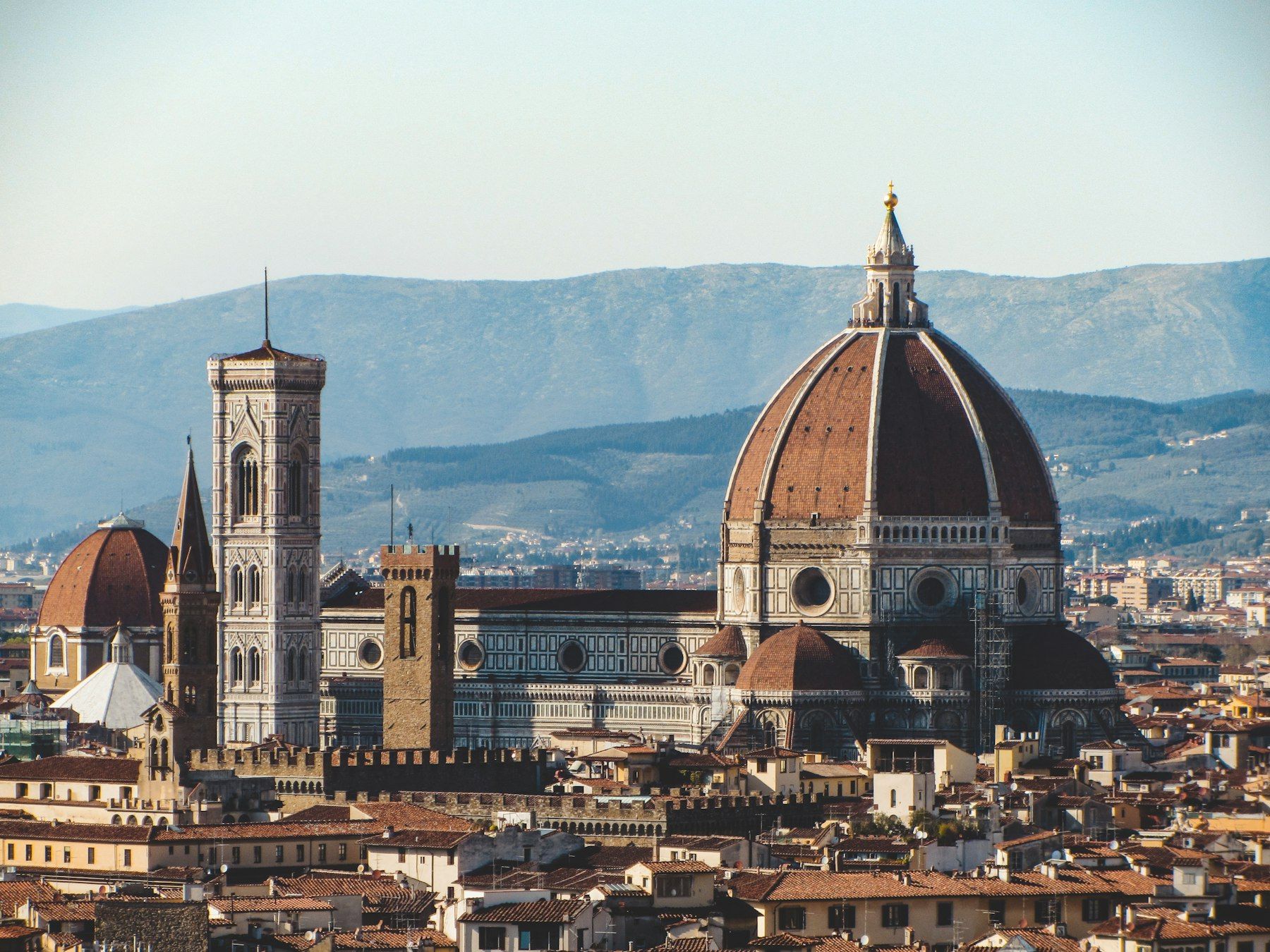
Take a high-speed train from Roma Termini to Firenze Santa Maria Novella, which takes about 1 hour 30 minutes. Walk to the Duomo, the Ponte Vecchio and the Piazzale Michelangelo at sunset for the best view of the city.
Day 5: Florence museums
Book the Uffizi Gallery for the morning and the Accademia (Michelangelo’s David) after lunch. If you would rather skip museums, ride a train or bus into the Tuscan hills for a half-day wine tour instead.
Day 6: train to Venice
Take the train to Venezia Santa Lucia, about two hours from Florence, and arrive on the Grand Canal by vaporetto (water bus). Stay in the historic centre if you can, because you can then see St Mark’s and the Rialto after the day-trippers leave.
Day 7: Venice and the islands
Visit St Mark’s Square and the Doge’s Palace early, then take a vaporetto to Murano for glass and Burano for its coloured houses. A gondola ride costs a set fee per boat, not per person, so share one with a group.
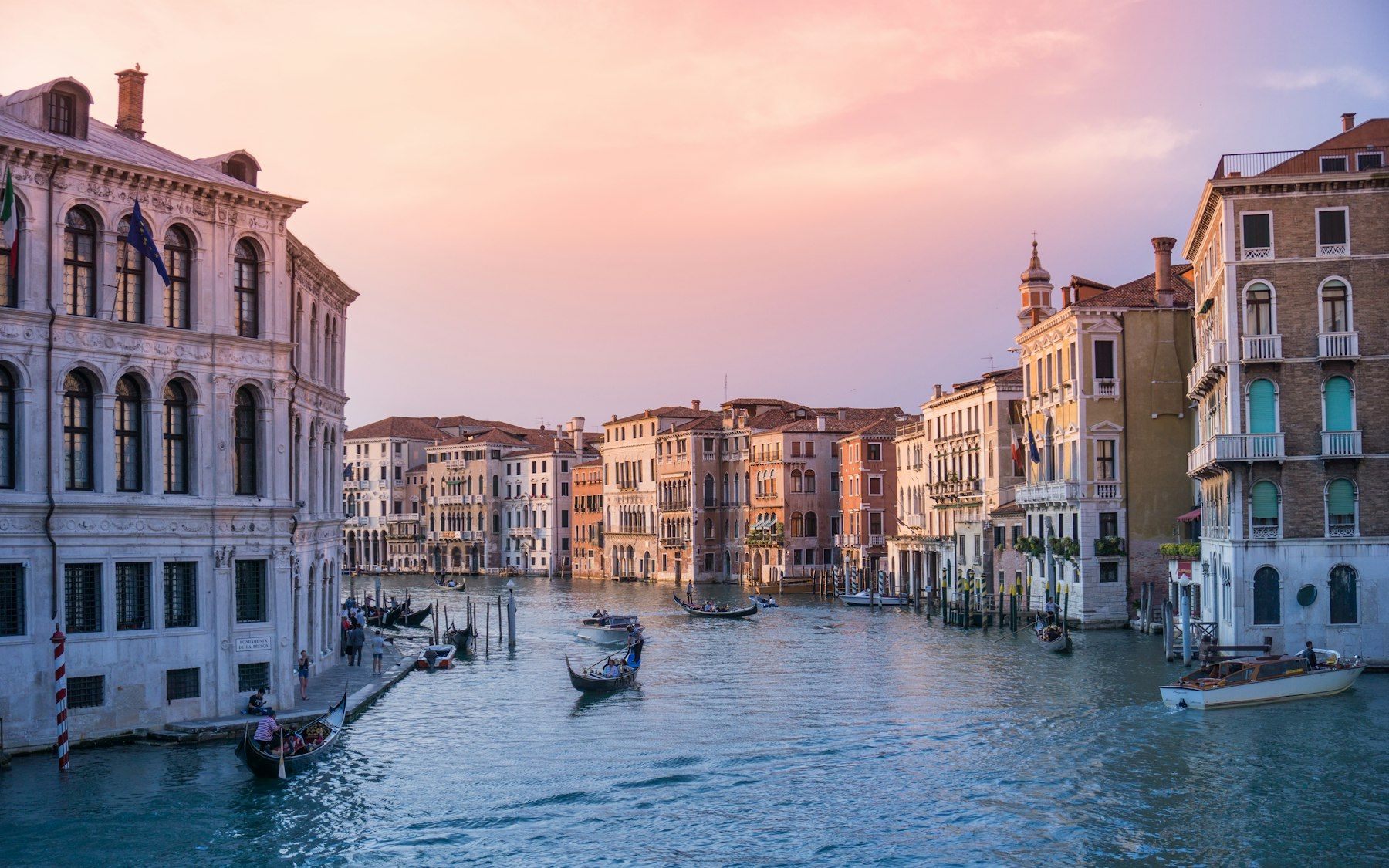
Venice has introduced an access fee for day-trippers on selected dates. It does not apply to guests who stay overnight in the city, but check the city’s official page before you go.
Day 8: fly home
Take the airport water bus or a bus to Venice Marco Polo airport and fly home from there. Flying into Rome and out of Venice, an open-jaw ticket, saves a day of backtracking.
For beaches and islands on the same kind of visa, see our Greece plan for Athens, Mykonos and Santorini.
Tips for Indian travellers
- Vegetarian and Jain food: pizza margherita, pasta, risotto and caprese are easy. Ask “senza carne” (without meat) and check for meat stock in soups. Strict Jain travellers should note that onion and garlic are common in sauces.
- Money: carry a forex card or a multi-currency card and use contactless payment. Don’t rely on UPI at Italian shops and restaurants.
- Coperto: many restaurants add a small cover charge per person, which is normal and not a scam.
- Plugs: Italy uses Type L and Type C plugs; a Type C adapter, as in most of Europe, works for most sockets.
- SIM: an eSIM bought before you fly saves queueing at the airport.
- Pickpockets: busy trains, the Rome metro and Venice’s vaporettos are hotspots, so carry a cross-body bag.
- Trains: book high-speed Frecciarossa or Italo trains ahead for lower fares, and validate regional tickets at the platform machine before boarding.
Best time to go
April to May and September to October are the sweet spot, with mild weather and fewer queues than peak summer. July and August are hot and crowded in Rome and Florence, and winter is cheap but grey. Venice floods occasionally in autumn and winter, so keep a day’s slack in the plan.
Related guides
If you want an Alpine honeymoon after the cities, read our Switzerland honeymoon itinerary, which uses the same Schengen visa. For another long-haul European trip, see the UK guide, or for a warmer sea-and-history plan, the Turkey itinerary. For Gaudí, Moorish palaces and tapas on the same visa, see the Spain itinerary for Barcelona, Seville and Madrid. For a cheaper Central European city break, see the Prague itinerary with Kutná Hora and Český Krumlov. For museums, palaces and day trips on the same visa, see the Paris itinerary with Versailles and Giverny. For an island add-on or a short Mediterranean break, see the Malta itinerary with Valletta, Gozo and Comino. More facts are on the Italy hub.
Frequently asked questions
Do Indians need a visa for Italy?
Yes. Indian passport holders need a Schengen short-stay (type C) visa for tourism in Italy. The Italian Embassy in New Delhi says applications go through VFS Visa Application Centres by appointment, and decisions on C visas are generally reached within 15 calendar days.
How much is the Italy Schengen visa fee for Indians?
The embassy lists €90 for adults, €45 for children aged 6 to under 12 and no fee under 6. Rupee amounts move with the euro rate, and VFS adds its own service charge on top, so confirm the current total on the VFS Italy page before paying.
How early can I apply for an Italy visa?
Per the embassy, applications cannot be lodged earlier than six months before the start of the journey. It advises applying well in advance, and says last-minute applications are accepted at your own risk with no guarantee of timely processing.
How many days are enough for Italy on a first trip?
Eight days covers Rome, Florence and Venice without rushing: three nights in Rome, two in Florence and three in Venice, with fast trains between them. With fewer than six days, drop Venice or Florence rather than rush all three.
How much does an 8-day Italy trip cost from India?
Roughly ₹1.4 to ₹1.95 lakh per person, including return flights, the visa, mid-range hotels, trains, food and entry tickets. Flights in April, May and September, and hotels in Venice, move the total most.
Is Italy good for vegetarians from India?
Yes. Pizza margherita, pasta with tomato, pesto or cheese, risotto, caprese and focaccia are everywhere. Ask about meat stock in risotto and soups, and note that many Italian cheeses use animal rennet, which strict vegetarians and Jain travellers may want to avoid.
Should I book trains and museum tickets in advance?
Book the Colosseum and Vatican Museums, the Uffizi and the high-speed trains a few weeks ahead, because timed slots sell out in spring and autumn and advance train fares are cheaper than same-day tickets.