Published 12 Oct 2026 · Updated 12 Oct 2026
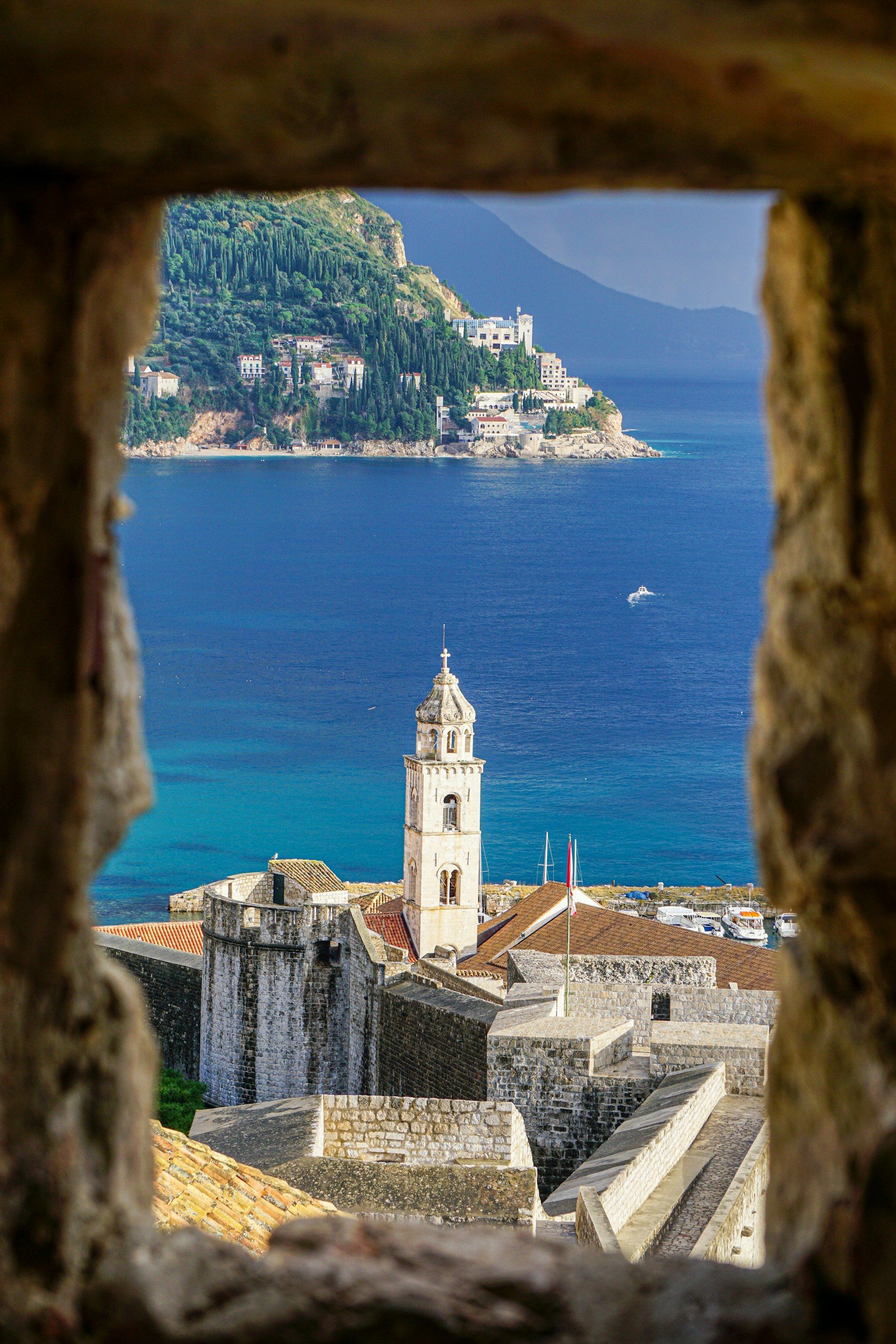
Croatia’s coast is a good first-Europe trip because Split, Hvar and Dubrovnik are close together and linked by ferry and bus. Budget roughly ₹1.3 to ₹1.8 lakh per person for seven days with flights, and start the visa at least two months before you fly, because Croatia’s processing time is longer than most Schengen countries’.
Visa and entry rules for Indians
Indian passport holders need a Schengen short-stay visa (type C) for Croatia, applied for in advance. Here is what we confirmed on 12 October 2026 from the VFS Global Croatia page for India and the EU Commission’s Schengen visa page:
- Where to apply: Croatia takes applications through VFS Global for its Embassy in New Delhi. The VFS page we read did not list the application centres, so pick yours when you book the appointment.
- Fee: €90 (₹10,200) for adults, per the VFS page, plus a VFS logistics fee of ₹2,553. A mandatory two-way courier of ₹1,332 applies everywhere except New Delhi. The EU Commission lists €45 for children aged 6 to 12. The VFS page says fees are subject to change without notice.
- How early: you can apply up to 6 months before the journey. VFS says tourist applications with less than 45 days to travel are not accepted.
- Processing time: the VFS page lists 45 calendar days as the standard for tourist visas. It is also inconsistent: other sections give 30 days extendable to 45, and a notice says the minimum has been extended to 60 days. The EU Commission’s general rule is 15 days, up to 45. Treat 45 to 60 days as the planning figure.
- Insurance: travel health insurance of at least €30,000 valid in Croatia for the whole stay, covering repatriation, urgent medical care and hospitalisation.
- Passport: issued within the last 10 years, valid at least three months beyond the end of the visa, with at least two blank pages.
- Documents: a signed online application form, two photographs, a cover letter with your itinerary, a return ticket reservation, proof of funds (such as three months of bank statements), proof of your job or study status, and proof of accommodation. VFS asks for reservations only, not confirmed or paid bookings, for flights and hotels. The embassy can ask for more documents.
A Croatia visa covers the rest of the Schengen area, so the process matches our Portugal plan and Budapest plan. More facts are on the Croatia hub.
Apply only through VFS Global or the embassy. Look-alike “Croatia visa” sites charge large fees for the same appointment. Book flights on a refundable fare until the visa is in hand.
What it costs in rupees
Per person, sharing a mid-range double room, for seven days (six nights). These are our estimates for typical fares and rates, and they swing with season. One euro is roughly ₹100 to ₹105, so check the day’s rate.
| Item | Approx. cost |
|---|---|
| Return flights Delhi or Mumbai, one stop (open-jaw) | ₹50,000 – ₹70,000 |
| Visa fee (€90) plus VFS logistics fee | about ₹12,800 |
| Hotels and apartments, 6 nights (half a €90–130 room) | ₹27,000 – ₹40,000 |
| Food, about €30–40 a day | ₹20,000 – ₹28,000 |
| Ferries, buses and airport transfers | ₹8,000 – ₹12,000 |
| Attractions (city walls, Krka, Diocletian’s Palace, tours) | ₹6,000 – ₹10,000 |
| Travel insurance, eSIM, small extras | ₹4,000 – ₹6,000 |
| Total | ₹1.3 – ₹1.8 lakh |
Flights and the visa make up about half of the bill. Fly into Split and out of Dubrovnik (or the reverse) so you do not backtrack; one-stop fares via Istanbul, the Gulf or a European hub are usually the cheapest. Prices for a Dubrovnik hotel in July and August can be double those of May or October.
Day-by-day itinerary
Day 1: arrive in Split
Take the airport bus or a pre-booked cab to the old town. Drop your bags, then walk the Riva waterfront promenade and have an early dinner. Keep the first evening light so jet lag does not catch you at a restaurant.
Day 2: Diocletian’s Palace and Marjan hill
Walk through Diocletian’s Palace, a Roman palace that is still the living centre of Split, with shops and homes inside its walls. Climb the bell tower for the view over the harbour, then spend the afternoon on Marjan hill, a wooded park with a short walk up to the lookout and a beach below it.
Day 3: Krka National Park
Take a day tour or a bus to Krka National Park, about an hour from Split, for waterfalls and boardwalks. Check the current rules on swimming and the ticket price on the park’s official site before you go, because both change. If you would rather stay near the city, Trogir, a small walled island town, is a half-day trip by bus.
Day 4: ferry to Hvar
Take the morning catamaran from Split to Hvar town. Climb to the Fortica fortress above the harbour, walk the stone streets and swim from the rocky coves. Book the ferry and a room ahead in summer, when the island fills up.
Day 5: Hvar to Dubrovnik
Go back to Split and take the coastal bus to Dubrovnik, about 4 to 5 hours depending on the border queue at Neum (the road crosses a short stretch of Bosnia and Herzegovina, so carry your passport). In summer a seasonal catamaran also links Hvar and Dubrovnik via Korčula, so check the timetable on the day and book ahead.
Day 6: Dubrovnik’s walls and cable car
Walk the city walls early, before the heat and the cruise-ship crowds, and allow two hours. Spend the afternoon on Stradun and in the side lanes, then take the cable car up Mount Srđ for sunset. Many people book this day by tour; you do not need one.
Day 7: Lokrum island and fly home
If your flight is in the evening, take the short ferry to Lokrum island for a swim and a walk through its gardens. Leave at least four hours for the airport before an international departure.
Eating in Croatia as an Indian traveller
Dalmatian cooking is fish, grilled meat, olive oil and vegetables. Vegetarians do best with soparnik (chard pie), blitva (potato and chard), grilled vegetables, fritule (small fried doughnuts) and plenty of pasta and pizza. Ask about meat or fish stock in risotto and soups, and expect “vegetarian” to sometimes mean ham is still on the plate. Jain food needs planning. A few Indian restaurants operate in Split and Dubrovnik, and bakeries (pekara) sell cheap cheese and spinach pastries (burek, ask for sir). Tap water is drinkable.
Best time to go
May, June, September and early October are the sweet spot: warm sea, long days, fewer crowds and lower prices. July and August are hot and crowded, and Dubrovnik is at its most expensive. November to March are cheap and quiet, but ferries run fewer sailings, many island restaurants close and Hvar is almost shut. For a similar warm-sea plan with a bigger menu of islands, see our Greece guide.
Practical tips
- Money: Croatia uses the euro. Cards work almost everywhere, UPI does not. Use a bank ATM for cash and avoid the euro exchange booths on tourist streets.
- Transport: buses and catamarans are the backbone along the coast. Book popular summer sailings online, and check timetables on the day, because they change with season.
- Taxis: use a ride-hailing app or the official taxi stands, and agree the fare in advance.
- SIM: an eSIM bought before you fly saves queueing at the airport.
- Plugs: Croatia uses the two-round-pin Type C/F plug at 230 V, so pack an adapter.
- Border check: you may be fingerprinted and photographed under the EU’s Entry/Exit System on arrival, so allow extra time at immigration.
- Footwear: old-town streets are polished limestone and slippery when wet. Bring shoes with grip and water shoes for the pebble beaches.
Related guides
Want another Schengen trip on the same visa? See the Slovenia 6-day plan, the Portugal 7-day plan, the Budapest 5-day plan or the Italy 8-day plan. All facts for Croatia are on the Croatia hub.
Frequently asked questions
Do Indians need a visa for Croatia?
Yes. Indian passport holders need a Schengen short-stay visa (type C) for Croatia. You apply through VFS Global for the Embassy of Croatia in New Delhi. The visa allows up to 90 days in any 180-day period across the Schengen area, and you can apply up to 6 months before travel.
How long does the Croatia visa take for Indians?
Plan for about 45 days. The VFS Global Croatia page lists 45 calendar days as the standard time for tourist visas and says tourist applications less than 45 days before travel are not accepted. The same page also carries a notice that the minimum processing time has been extended to 60 days, so apply two to three months ahead.
How much is the Croatia visa fee for Indians?
The VFS Global page lists €90 (₹10,200) for adults, plus a logistics fee of ₹2,553. The EU Commission lists €45 for children aged 6 to 12. A mandatory two-way courier of ₹1,332 applies at every centre except New Delhi. Fees can change without notice.
How many days are enough for Croatia?
Seven days cover Split, one national park, Hvar and Dubrovnik without rushing. Five days works if you drop Hvar and Krka. Ten days lets you add Zagreb and Plitvice Lakes, which sit inland and need a car or a long bus ride.
Is Croatia expensive compared with Italy or Greece?
Dalmatia in July and August costs about the same as the Greek islands, and Dubrovnik is the priciest town. In May, June, September and October hotels drop sharply. Croatia uses the euro, so cards and cash are priced like the rest of the eurozone.
Is Croatia good for vegetarians?
Workable, with planning. Coastal menus lean on seafood and grilled meat, but pasta, risotto with vegetables, soparnik (a Dalmatian chard pie), grilled vegetables, salads, cheese and pizza are easy to find. Split and Dubrovnik also have vegetarian restaurants and a few Indian ones. Ask about fish stock in risotto and soups.
Can I use UPI in Croatia?
No. Cards and contactless payments are widely accepted, and ATMs give euros. Keep some euro cash for small konobas (family taverns), buses and ferry kiosks. Decline any 'pay in rupees' option at a card machine and pay in euros.