Published 11 Oct 2026 · Updated 13 Oct 2026
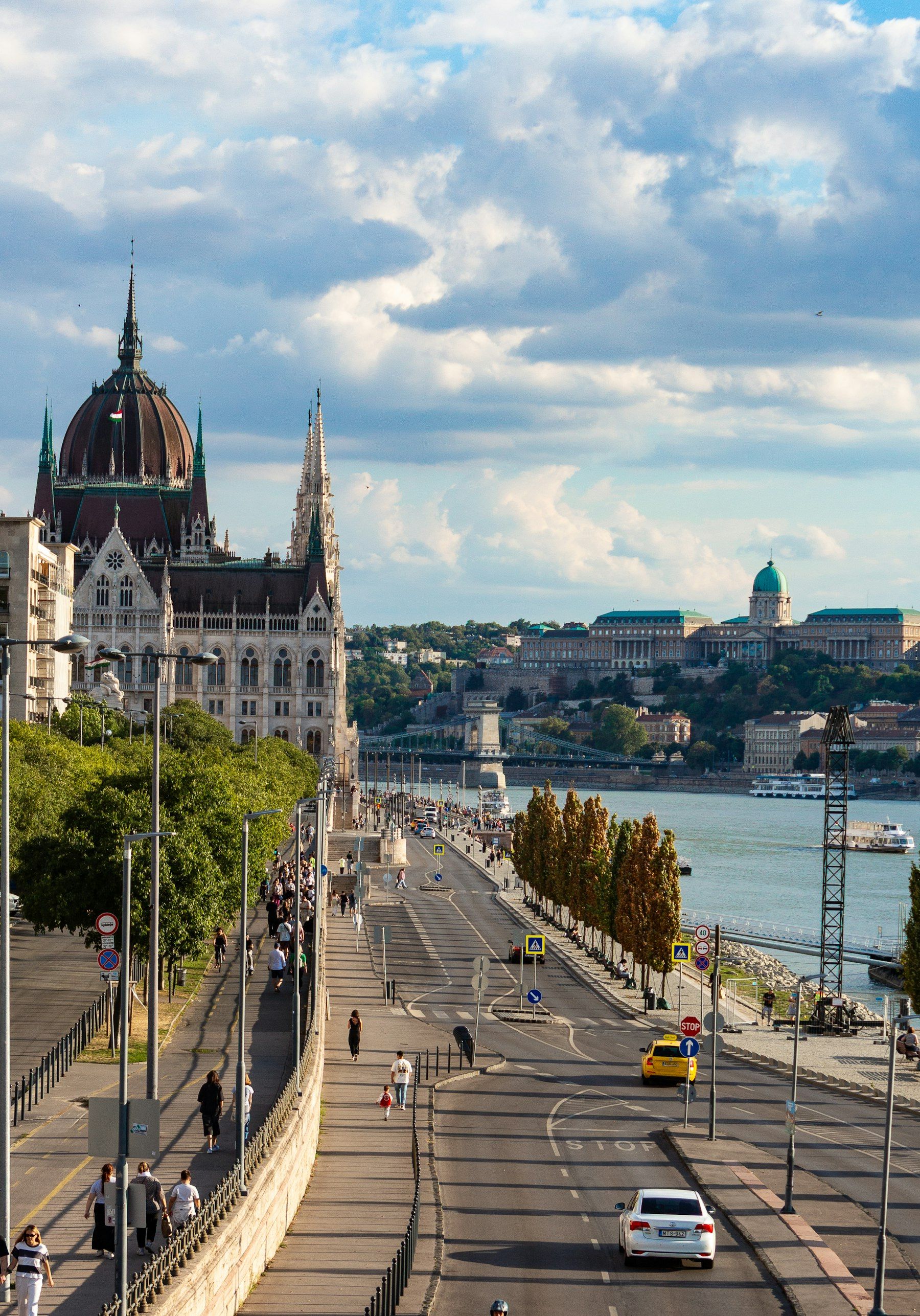
Budapest suits a first Schengen trip because the baths, castle district and river are all in one compact city, and a good hotel costs less than in Vienna or Paris. Budget roughly ₹1.0 to ₹1.4 lakh per person for five days with flights, and start the visa at least six weeks before you fly.
Visa and entry rules for Indians
Indian passport holders need a Schengen short-stay visa (type C) for tourism in Hungary, applied for in advance. Here is what we could and could not confirm on 11 October 2026:
- Where to apply: the Hungarian Embassy’s short-stay page directs C-visa appointments to VFS Global. Residents of Maharashtra, Kerala, Tamil Nadu, Gujarat, Goa, Karnataka, Andhra Pradesh, Puducherry, Telangana, and Daman and Diu, and Dadra and Nagar Haveli, fall under the Consulate General in Mumbai, and the Delhi embassy covers the rest. We could only read the embassy page through a search summary because it did not load in full, so check which office covers your state there.
- Fee: the EU Commission’s Schengen visa page lists €90 for adults and €45 for children aged 6 to 12, and says a visa service centre may charge an additional fee. VFS Global’s Hungary page returned an error when we tried it, so we cannot quote the service charge.
- How early: apply no earlier than 6 months and no later than 15 days before travel.
- Processing: normally 15 days, up to 45 if the consulate needs more checks, so apply six to eight weeks ahead, especially for May, June and the Christmas markets.
- Insurance: you need medical insurance covering emergency care, hospitalisation and repatriation. The Commission page does not state a minimum amount, so check the consulate’s list.
- Documents: the embassy says the consul sets the document list and can change it, so use the checklist on the VFS Hungary page when you book rather than an old blog post. You give fingerprints at the centre.
A Hungary visa also covers the rest of the Schengen area, so it is the same process as for our Austria plan and Prague plan. More facts are on the Hungary hub.
Apply only through VFS Global or the embassy. Look-alike “Hungary visa” sites charge large fees for the same appointment. Book flights on a refundable or flexible fare until the visa is in hand.
What it costs in rupees
Per person, sharing a mid-range double room, for five days (four nights). These are our estimates for typical fares and rates, and they swing with season. One euro is roughly ₹100 to ₹105 and one thousand forints roughly ₹250, so check the day’s rate.
| Item | Approx. cost |
|---|---|
| Return flights Delhi or Mumbai, one stop | ₹50,000 – ₹70,000 |
| Visa fee (€90) plus VFS service charge | about ₹11,000 |
| Hotels, 4 nights (half a €90–130 room) | ₹16,000 – ₹24,000 |
| Food, about €25–35 a day | ₹10,000 – ₹15,000 |
| Local transport, travel card and Danube Bend trains | ₹2,000 – ₹3,000 |
| Attractions (Parliament, baths, castle, river cruise) | ₹8,000 – ₹12,000 |
| Travel insurance, eSIM, small extras | ₹4,000 – ₹6,000 |
| Total | ₹1.0 – ₹1.4 lakh |
Budapest costs less than Austria on the ground, so the flight and visa make up more than half of the bill. Booking flights early is the biggest saving.
Day-by-day itinerary
Day 1: arrive and walk the Pest riverbank
Take the airport bus and metro or a pre-booked cab into the centre. Drop your bags, then walk the Danube promenade in Pest. See the Shoes on the Danube Bank memorial and the Hungarian Parliament from outside, and have an early dinner so jet lag does not catch you at a restaurant.
Day 2: Buda Castle district and the Chain Bridge
Cross the Chain Bridge and take the funicular up to the castle hill. Walk through Buda Castle, the Fisherman’s Bastion and Matthias Church, then go down to the river. In the evening, book a Danube cruise for the lit-up Parliament, which looks best after dark.
Day 3: Parliament tour and a thermal bath
Book a Parliament tour online in advance, because entry is by timed slot and tours sell out in busy months. Have lunch at the Great Market Hall, then spend the afternoon at a thermal bath. Széchenyi is the famous one, in City Park, with outdoor pools that are good in cold weather. Gellért is the grand art nouveau alternative. Take a swimsuit, a towel (or hire one) and a pair of flip-flops, and a bag for wet clothes.
Day 4: Danube Bend
Take the suburban HÉV railway to Szentendre, a cobbled town of galleries and churches, for the morning. Continue by bus or river boat to Visegrád for the hilltop citadel and views over the river bend. Allow a full day and check current train and boat timetables on the day, because they change with season.
Day 5: Margaret Island and fly home
Spend the morning on Margaret Island, a car-free park in the middle of the river, then eat late at a café on the Pest side. Leave at least four hours for the airport before an international departure.
Eating in Budapest as an Indian traveller
Hungarian cooking leans on pork and paprika, so vegetarians need to read menus. Look for lángos (fried bread with cheese and sour cream), túrós csusza (noodles with curd cheese), főzelék (a thick vegetable stew), rakott krumpli (potato bake, ask if it has sausage) and Gundel pancakes for dessert. Soups and goulash may use meat stock, and lard is common, so ask. The Great Market Hall upstairs is the cheap lunch. Budapest has several Indian restaurants in Pest, which are useful for Jain or fully vegetarian meals. Tap water is drinkable.
Best time to go
April to June and September are mild, with long days. July and August are hot, which suits a bath less but makes the evenings on the river pleasant. December brings Christmas markets, and an outdoor thermal pool in cold air is a good reason to visit then. For a similar winter plan, see our Germany Christmas markets guide. January and February are cheapest and cold, with some outdoor attractions on shorter hours.
Practical tips
- Money: Hungary uses the forint, not the euro. Cards work almost everywhere, UPI does not. Use a bank ATM for cash and avoid the euro-to-forint exchange booths on tourist streets.
- Transport: a 24-hour or 72-hour travel card covers the metro, trams, buses and the Danube ferries inside the city. Validate paper tickets before boarding.
- Taxis: use a ride-hailing app or an official taxi company rather than a cab hailed on the street, and agree the fare in advance.
- SIM: an eSIM bought before you fly saves queueing at the airport.
- Plugs: Hungary uses the two-round-pin Type C/F plug at 230 V, so pack an adapter.
- Border check: you may be fingerprinted and photographed under the EU’s Entry/Exit System on arrival, so allow extra time at immigration.
- Baths: go early on a weekday and expect crowds on weekends. Bring your own flip-flops.
Related guides
Want another Schengen trip on the same visa? See the Austria 7-day plan, the Prague 6-day plan, the Poland 7-day plan the Switzerland honeymoon guide the Romania 6-day plan or, for a cheaper option, the Bulgaria budget trip or the Serbia 5-day plan, which needs no extra visa if you hold a Schengen visa. All facts for Hungary are on the Hungary hub.
Frequently asked questions
Do Indians need a visa for Hungary?
Yes. Indian passport holders need a Schengen short-stay visa (type C) for tourism in Hungary. Appointments are booked through VFS Global, under the Hungarian Embassy in New Delhi or the Consulate General in Mumbai depending on where you live. The visa allows up to 90 days in any 180-day period across the Schengen area.
How much is the Hungary visa fee for Indians?
The EU Commission lists €90 for adults and €45 for children aged 6 to 12, and says a visa service centre may charge an additional fee. VFS Global's service charge is not on the embassy page, so check the total when you book the appointment.
How many days are enough for Budapest?
Four full days cover the castle, Parliament, a thermal bath, the Great Market Hall and a day on the Danube Bend. With three days, drop the Danube Bend. Five days is comfortable after a long flight, and a sixth day lets you add Vienna by train.
How much does a Budapest trip cost from India?
Roughly ₹1.0 to ₹1.4 lakh per person for five days, sharing a mid-range hotel room, including return flights with one stop, the Schengen visa, food, local transport and entry tickets. Flights in May, June and December are the biggest swing.
Is Budapest good for vegetarians?
Fair, with care. Hungarian food is meat-heavy and many soups and stews use meat stock or lard, but lángos (fried bread), túrós csusza (curd noodles), főzelék (vegetable stew), cheese dishes and salads work. Budapest also has vegetarian restaurants and several Indian restaurants. Jain food needs planning.
Can I use UPI or euros in Budapest?
Neither works reliably. Hungary uses the forint, not the euro, and UPI is not accepted. Cards and contactless payments are widely taken, and a bank ATM gives forints. Decline any 'convert to rupees' option at a card machine and pay in forints.
What is the best time to visit Budapest?
April to June and September are mild and good for walking. July and August are hot but the baths are open all year. December brings Christmas markets and the baths feel best in the cold. January and February are cheapest and cold.