Published 11 Oct 2026 · Updated 13 Oct 2026
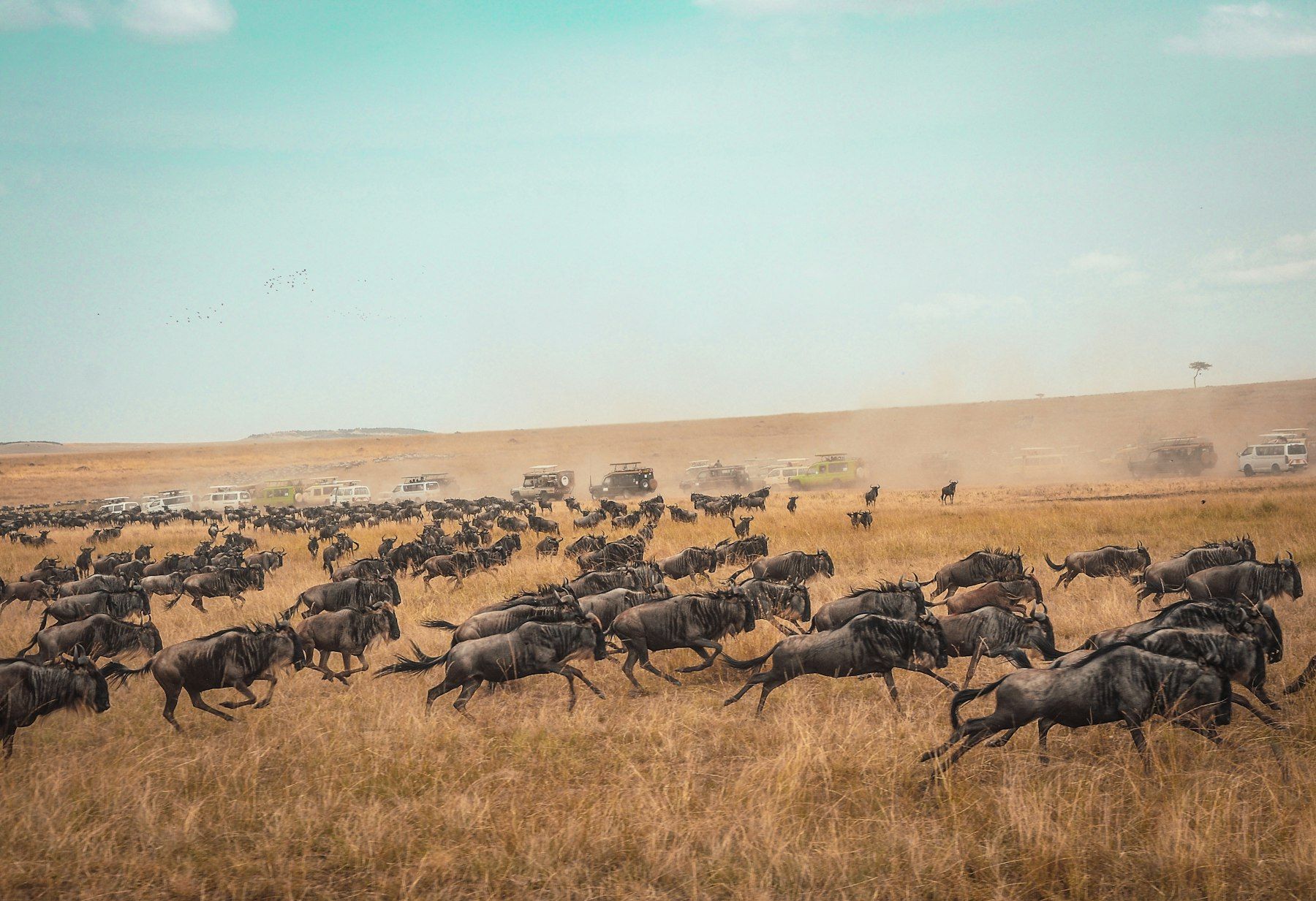
A Kenya safari fits into six days from India: a non-stop flight to Nairobi, three nights in the Masai Mara for game drives, and an online travel authorisation instead of an embassy visit. Budget roughly ₹1.3 lakh to ₹2.1 lakh per person, and start the eTA at least two weeks before you fly.
Visa and entry rules for Indians
Indian passport holders need an Electronic Travel Authorisation (eTA) for Kenya. The Kenyan government’s eTA portal, which we checked on 11 October 2026, lists exemptions for East African partner-state citizens, some listed nationalities and diplomatic or official passports; ordinary Indian passports are not among them. The portal’s own pages say:
- Fee: normal processing starts at US$30, and expedited processing is an additional US$100. Payment is by card or another accepted method.
- Processing: generally three working days (72 hours), though verification can take longer. The portal recommends applying at least two weeks before travel.
- Documents: a passport valid for at least six months with one blank page, a selfie or passport-style photo, contact details, an itinerary with arrival and departure, an accommodation booking and a payment method.
- Everyone applies: each traveller, including children and infants, needs an approved eTA. Group applications are possible. You receive a PDF by email, which you must show at departure and arrival.
The portal pages we could read do not state how many days you can stay or how long the eTA stays valid, so check those details on the approval you receive. They also do not mention yellow fever; if your route passes through a country with yellow fever risk, ask your airline or doctor whether a certificate is needed.
Apply only on etakenya.go.ke or the official “Kenya Travel Authorisation” app. Look-alike sites charge large “service” fees for the same form.
What it costs in rupees
Per person, sharing a room and a safari vehicle, mid-range, six days. These are our estimates; the dollar rate, the season and the camp all move the total. Safari lodges quote in dollars, so use roughly ₹85 to ₹90 per dollar and check the day’s rate.
| Item | Approx. cost |
|---|---|
| Return flight, Mumbai or Delhi to Nairobi | ₹42,000 – ₹55,000 |
| eTA (from US$30) | ₹3,000 |
| Nairobi hotel, 2 nights | ₹8,000 – ₹14,000 |
| Mara tented camp or lodge, 3 nights, full board | ₹31,000 – ₹52,000 |
| Masai Mara park fees, 3 days (Jan–Jun low, Jul–Dec high) | ₹26,000 – ₹52,000 |
| Safari vehicle and driver-guide, Nairobi–Mara return, shared | ₹12,000 – ₹20,000 |
| Meals in Nairobi, tips, travel insurance, SIM, extras | ₹8,000 – ₹14,000 |
| Total | ₹1,30,000 – ₹2,10,000 |
Two things move this more than anything else. First, the Mara gate fee: travel-operator sources we checked give US$100 per adult per day from January to June and US$200 from July to December, set by Narok County, but we could not open an official fee schedule, so ask your operator for the figure on your dates. Second, whether your package includes park fees at all; some “all-inclusive” quotes do not. The same sources quote children aged 9 to 17 at about US$50 a day, with younger children free.
Day-by-day itinerary
Day 1: arrive in Nairobi
Non-stop flights from Mumbai take about six and a half hours. Transfer to a hotel in Karen or Westlands, avoid driving in the evening rush, and sleep early.
Day 2: Nairobi to the Masai Mara
Most operators drive to the Mara in five to six hours, with the last stretch on rough road. You can also take a 45-minute scheduled flight to an airstrip in the reserve, which costs more and saves most of a day. Reach camp for lunch and go out on an afternoon game drive.
Day 3: full day in the reserve
Leave at dawn, when lions and cheetahs are most active, and carry a packed breakfast or return to camp for it. Spend the day on the plains; a driver-guide will track a leopard or a river crossing by radio. A hot-air balloon flight at sunrise is the optional splurge, with quotes around US$450 per person.
Day 4: Mara River and a Maasai village
Drive to the Mara River, where the herds cross between July and October. Out of migration season, resident wildebeest, zebra, elephants and lions still fill the day. Some camps arrange a village visit; ask the camp how the money is shared before you go.
Day 5: back to Nairobi
Drive back after an early game drive, stopping for lunch. In the afternoon visit the Giraffe Centre in Karen, and the David Sheldrick elephant orphanage if your timing fits its public hour (book ahead).
Day 6: fly home
Check in three hours before departure, and allow for Nairobi traffic.
Vegetarian and Jain eating on safari
Safari camps are used to Indian guests. Vegetable curry, dal, rice and chapati appear on many menus in the Mara, and a camp will usually cook a vegetarian menu if told in advance. Say so in your booking, repeat it by email a week before, and carry dry snacks for the drive. Strict Jain food (no onion or garlic) is something to arrange with the camp directly rather than assume.
Best time to go
July to October is the Great Migration season in the Mara and also the priciest, with the highest park fees and lodges that book out months ahead. January to March is drier with fewer vehicles and good big-cat sightings. The long rains in April and May make roads slow, and some camps close or discount heavily; November and December bring short rains and green landscapes.
Practical tips
- Money: Kenya uses the shilling, but safari prices are quoted in US dollars. Carry a forex card and a few small US notes for tips; UPI does not work.
- SIM: an eSIM bought before you fly works around Nairobi, but signal in the Mara is patchy.
- Packing: neutral colours, a warm layer for dawn drives, a hat, binoculars and a dust-proof camera bag. Soft bags are easier for small airstrip flights.
- Plugs: Kenya uses the UK three-pin plug, so bring an adapter.
- Health: ask your doctor about malaria prevention and carry insect repellent.
- Operator: get an itemised quote that lists park fees, transfers, drinks and conservancy fees separately.
Related guides
To pair a safari with a beach, our Tanzania honeymoon guide covers the Serengeti plus Zanzibar. For another African trip with a different mood, our Egypt guide covers the Nile and pyramids. If you want island time after the bush, the Seychelles guide and the Mauritius honeymoon guide cover Indian Ocean options. More facts are on the Kenya hub.
Frequently asked questions
Do Indians need a visa for Kenya?
Indians need an Electronic Travel Authorisation (eTA), applied for online at etakenya.go.ke before you fly. The portal says an approved eTA is required before travel, for every traveller including infants, and that you must show the approval PDF at departure and arrival.
How much does the Kenya eTA cost for Indians and how long does it take?
The portal FAQ says normal processing starts at US$30 and expedited processing costs an extra US$100. Normal applications are generally decided within three working days (72 hours), though verification can take longer, and the site recommends applying at least two weeks before travel.
How much does a 6-day Kenya safari cost from India?
Roughly ₹1.3 lakh to ₹2.1 lakh per person for six days with return flights, the eTA, mid-range lodges, Masai Mara park fees and a shared safari vehicle. The spread comes mostly from the Mara fee, which is higher from July to December.
When is the best time to see the Great Migration in Masai Mara?
The herds are usually in the Mara from about July to October, with river crossings the main draw, and that is also the most expensive period. January to March is drier with fewer vehicles and still good for big cats.
Is a Kenya safari good for vegetarians and Jain travellers?
Yes, with notice. Lodges and tented camps cook to order and routinely serve vegetarian meals. Tell the camp when you book, not on arrival, because the nearest shop can be hours away. Strict Jain food needs a conversation with the camp in advance.
Are there direct flights from India to Nairobi?
Airline and flight-tracking pages we checked show non-stop flights from Mumbai to Nairobi (Kenya Airways, with IndiGo and Air India also listed) and a few weekly non-stop flights from Delhi on Air India. Frequencies change, so confirm on the airline sites before you book.
Can I use UPI or rupees in Kenya?
No. Carry a forex card or international card, and some small US dollar notes for tips and camp extras. Mobile money (M-Pesa) is common locally but needs a Kenyan SIM and account, so most visitors skip it.