Published 10 Oct 2026
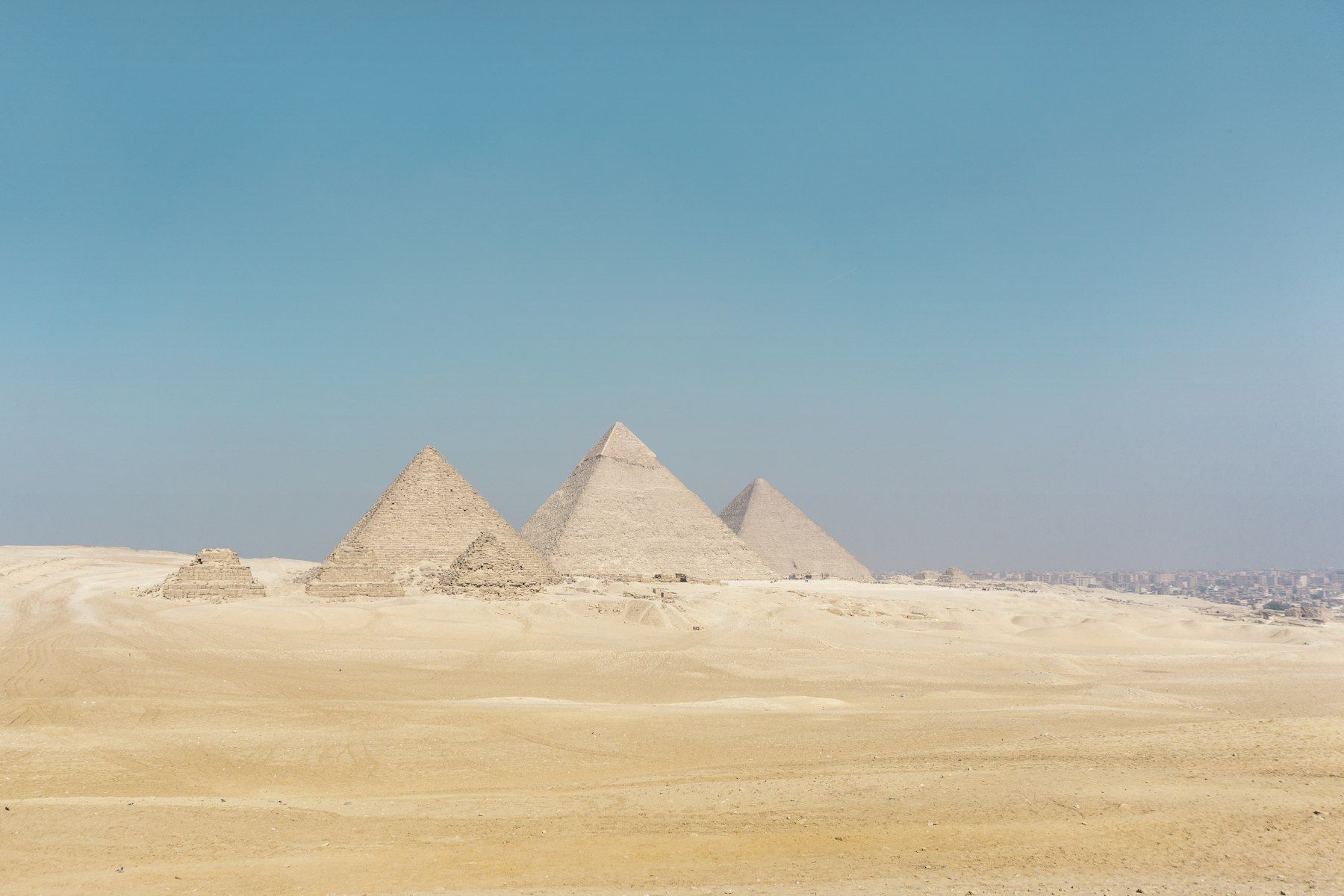
For a first trip to Egypt from India, spend 3 nights in Cairo and Giza, take a 3-night Nile cruise from Luxor to Aswan, and budget roughly ₹90,000 to ₹1,45,000 per person. You apply for an online e-Visa first, and the cruise is the part of the trip people most often cut or overpay for.
Visa and entry rules for Indians
Get the e-Visa before you fly. We checked the official Egypt e-Visa Portal on 10 October 2026:
- The portal’s FAQ lists India among the nationalities that may be issued an e-Visa, with a tourism visa at US$30 for a single entry and US$65 for multiple entries, paid by credit or debit card on the site.
- Your passport must be valid for at least 6 months from your arrival date.
- The portal asks you to create the application at least 7 days before departure, and you get an email when it is processed.
- The pages we could read do not state the length of stay or the visa’s validity period. Read both on the issued visa before you book non-refundable hotels.
- We found no official page giving Indians a visa on arrival. Do not rely on one.
One thing we could not verify: several Indian agencies say a letter of guarantee from an Egyptian travel agent is now required for Indian applicants. The portal’s public FAQ does not mention it, and we found no official statement either way. Use the portal’s contact page, and get the answer in writing before you pay anyone for a letter.
Apply only at visa2egypt.gov.eg. Many look-alike visa sites charge a large markup for the same form. Media reports suggest the single-entry fee may rise in January 2027; this is not confirmed officially, so use the price the portal shows on the day.
What it costs in rupees
Per person, two sharing a room, mid-range, seven days and six nights. These are our estimates; the Egyptian pound has moved a lot in recent years, so treat each line as a range.
| Item | Approx. cost |
|---|---|
| Return flight, Mumbai or Delhi to Cairo | ₹30,000 – ₹45,000 |
| e-Visa, single entry (US$30) | About ₹2,700 |
| Hotels, 3 nights Cairo and 1 night Aswan (half the room) | ₹9,000 – ₹15,000 |
| Nile cruise, 3 nights, full board | ₹13,000 – ₹26,000 |
| Domestic flights, Cairo to Luxor and Aswan to Cairo | ₹10,000 – ₹15,000 |
| Entry tickets (Giza, museum, temples, Valley of the Kings) | ₹9,000 – ₹14,000 |
| Guides, private driver, airport transfers | ₹8,000 – ₹14,000 |
| Food outside the cruise, about ₹1,200 – ₹1,800 a day | ₹6,000 – ₹9,000 |
| Travel insurance, eSIM, tips | ₹3,000 – ₹5,000 |
| Total | ₹90,000 – ₹1,45,000 |
Two lines are worth checking before you book. The Grand Egyptian Museum sells tickets only through its official channel at visit-gem.com; we saw a foreign-adult price of about EGP 1,450 quoted, but could not confirm it from an official page, so confirm it there. And Abu Simbel is not in the table: the day trip from Aswan adds roughly ₹4,000 to ₹8,000 a head for a car or small group tour, and you leave at about 3 or 4 a.m.
Day-by-day itinerary
Day 1: arrive in Cairo
Fly in, transfer to your hotel (book the car in advance or use a ride-hailing app rather than taking whatever taxi is offered at arrivals) and rest. If you have energy, walk the Nile corniche at sunset.
Day 2: the Giza pyramids and Sphinx
Go to the Giza plateau at opening time, before the heat and the tour buses. Walk to the Great Pyramid, the viewpoint for the three pyramids, and the Sphinx. Pay extra to enter the Great Pyramid only if you are not claustrophobic; the passage is narrow and low. A camel or horse ride is optional and the price is set by negotiation, so agree it before you get on.
Day 3: Grand Egyptian Museum, then fly to Luxor
Spend the morning at the Grand Egyptian Museum, which is beside the pyramids and houses the Tutankhamun collection. Book the ticket in advance on the official site. Take an afternoon flight to Luxor and board your cruise ship in the evening.
Day 4: Luxor, west bank
Visit the Valley of the Kings, the temple of Hatshepsut and the Colossi of Memnon in the morning. Return to the ship for lunch and visit Karnak and Luxor Temple in the late afternoon, when it is cooler and the light is good. Karnak is the highlight of the trip for many visitors; allow at least two hours.
Day 5: sailing to Edfu and Kom Ombo
The ship sails south. Stops usually include the Temple of Horus at Edfu, the best-preserved large temple in Egypt, and the double temple at Kom Ombo, on the riverbank at sunset. Sailing schedules vary by operator, so confirm yours before booking.
Day 6: Aswan
Disembark in Aswan. Visit the Philae Temple by small boat, the High Dam, and the Unfinished Obelisk. In the evening take a felucca ride around Elephantine Island at sunset.
Day 7: fly back
If your flight home leaves late, add a Nubian village visit in the morning. Fly Aswan to Cairo and connect home, leaving a gap of at least four hours between the two flights, since they are usually on separate tickets and a delay on the domestic leg is not covered.
Booking the Nile cruise
A Nile cruise is the simplest way to see Luxor, Edfu, Kom Ombo and Aswan without arranging transfers and guides yourself, and prices are bundled with meals. Compare these before you pay:
- Direction: Luxor to Aswan is usually 3 nights, and Aswan to Luxor is 4 nights. A 3-night trip is enough.
- What is included: ask whether meals, temple entry and a guide are in the price, and what the excursions cost on board.
- Ship grade: four-star ships are comfortable; five-star adds a bigger pool and cabins, and not much more sightseeing.
- Cheap dahabiya and felucca cruises exist, but check reviews, safety equipment and the actual route.
If you want a shorter, cheaper trip, skip the cruise and stay two nights each in Luxor and Aswan on land, using day-trip guides. It costs less but needs more planning.
Eating as an Indian traveller
Vegetarians do well. Koshari (rice, lentils, pasta and fried onion with tomato sauce), ful medames (fava beans), ta’amiya (falafel made with fava beans), baba ghanoush, lentil soup and warm flatbread are cheap and filling. Ask whether the soup or rice uses meat stock. Halal meat is the norm, and some Indian restaurants operate in central Cairo. Drink bottled water, and skip ice and salads washed in tap water on the first few days.
Best time to go
October to April is the season, with warm days and mild evenings. December and January are busiest and priciest in Luxor and Aswan. June to August is often above 40°C in the south, so temples are an early-morning activity.
Practical tips
- Money: carry US dollars in small bills for tips (baksheesh) and some Egyptian pounds for taxis, cafés and markets. A forex card works in hotels and larger shops. UPI is not accepted.
- SIM: an eSIM bought before you fly is easiest; airport kiosks sell local SIMs but queues are long.
- Plugs: Egypt uses the European two-pin plug (Type C or F) at 220 V.
- Hassle: touts at the pyramids and temples are persistent. A polite “la, shukran” and walking on works; agree prices before any ride, photo or “gift”.
- Dress: shoulders and knees covered is a good rule at mosques and in smaller towns; light cotton is best for temples.
- Getting around: use Uber or Careem in Cairo, pre-book intercity transfers, and fly between Cairo and Luxor or Aswan rather than taking the overnight train, unless you want the experience.
Related guides
For another history-and-bazaar trip with a visa to arrange, read our Turkey plan for Istanbul and Cappadocia. If you prefer a shorter hop with kids, see the Dubai family itinerary. More facts are on the Egypt hub.
Frequently asked questions
Do Indians need a visa for Egypt?
Yes. Indian passport holders apply for an e-Visa on the official Egypt e-Visa Portal (visa2egypt.gov.eg), which lists India among the eligible nationalities. We found no official page offering Indians a visa on arrival, so treat the e-Visa as the route.
How much is the Egypt e-Visa for Indians?
The portal's FAQ lists US$30 for a single-entry tourist visa and US$65 for multiple entry, paid by card on the site. Media reports say the single-entry fee may rise in January 2027, which we could not confirm officially, so check the portal on the day you apply.
Do I need a letter of guarantee from a travel agent for the Egypt e-Visa?
We could not confirm this from an official source. The portal's public FAQ does not mention it, but several Indian agencies say one is required. Ask through the portal's contact page and keep the answer in writing before paying any agent for a letter.
How much does a 7-day Egypt trip cost from India?
Roughly ₹90,000 to ₹1,45,000 per person for a mid-range trip: return flights, the e-Visa, six hotel and cruise nights, two domestic flights, entry tickets, food and transfers. The Nile cruise and the domestic flights are the lines that move the total most.
How many days do you need for Egypt?
Seven days covers Cairo and Giza, a Nile cruise from Luxor to Aswan and the flights between them. Add two or three days for Abu Simbel and the Red Sea at Hurghada; with fewer than six days, drop the cruise and fly between Cairo and Luxor.
Is Egypt good for vegetarian Indian travellers?
Yes. Koshari, ful medames, ta'amiya (Egyptian falafel), baba ghanoush, lentil soup, cheese and fresh bread are everyday vegetarian food. Ask for no meat stock in rice and soups, and say you are vegetarian rather than just 'no meat'.
What is the best time to visit Egypt from India?
October to April. Days in Luxor and Aswan are warm rather than punishing, and Cairo is comfortable. June to August often passes 40°C in the south, which makes temple visits an early-morning-only affair.