Published 13 Oct 2026
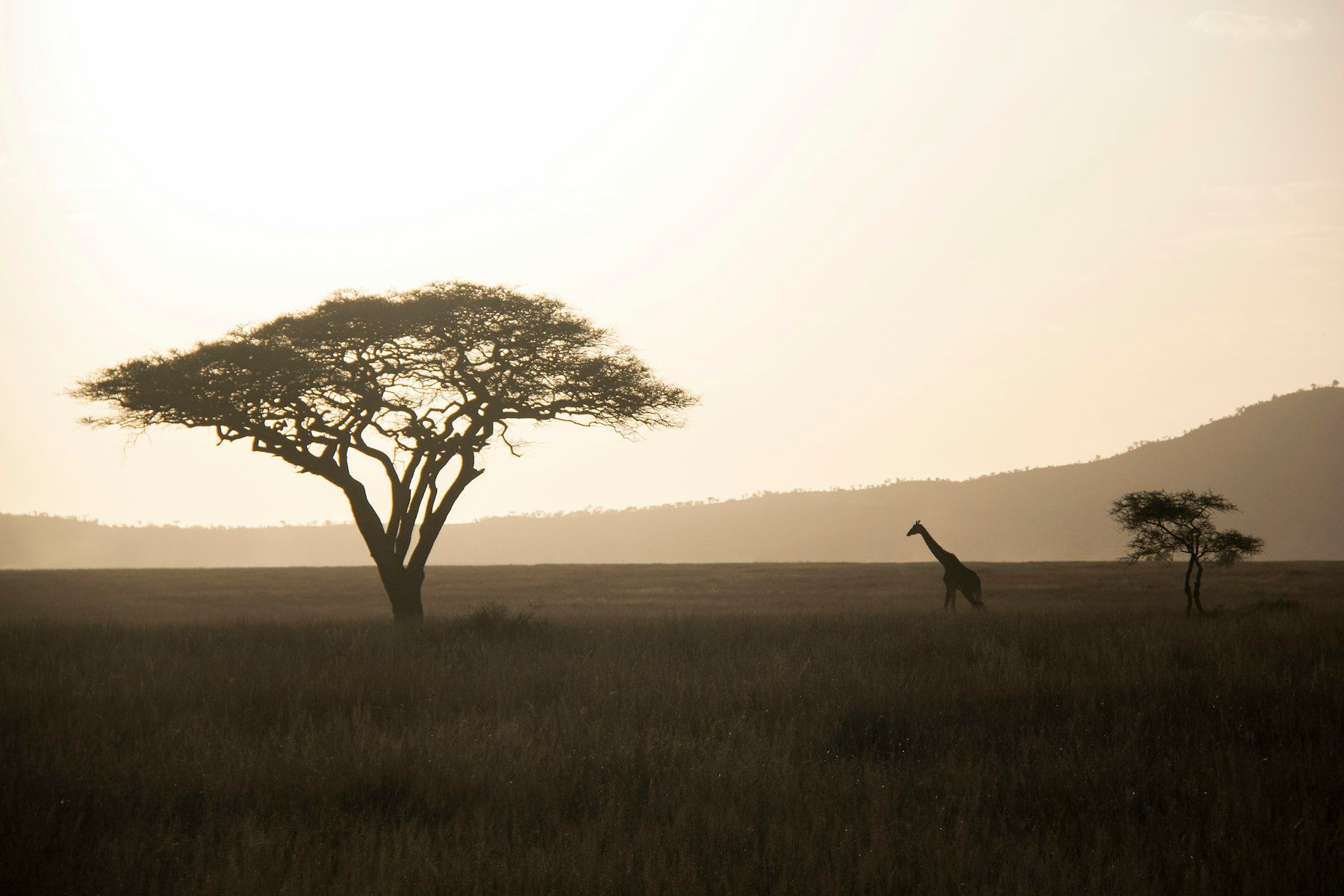
Tanzania makes a strong honeymoon because the bush and the beach sit on one visa: two nights in the Serengeti, a morning in the Ngorongoro Crater, then a short flight to Zanzibar. Budget roughly ₹1.5 lakh to ₹2.4 lakh per person for seven days with flights, and start the online e-visa at least two to three weeks ahead.
Visa and entry rules for Indians
Indian passport holders need a visa for Tanzania, and the official advice is to apply online. The Tanzania eVisa portal, whose guidelines page we read on 13 October 2026, states:
- Two routes: online application, or visa on arrival at official entry points. India appears on the portal’s list of nationalities eligible for both. The guidelines recommend the online route.
- Processing: online applications are processed within ten days. Wait for the visa grant notice by email before you start your journey. It is not a final authority to enter: the immigration officer at the entry point can still refuse entry.
- Passport and ticket: at least six months’ validity and one unused visa page, and you must show a return ticket on arrival.
- Everyone applies separately: even minors need their own application.
- Mainland and Zanzibar: if you visit both, choose your first destination on the form. You do not need a second visa to visit the other.
- Fee: the guidelines page we read does not list the amount. The Tanzanian embassy’s visa page gives US$50 for an ordinary single-entry visa for a stay of up to three months, with exceptions named only for Pakistan, the USA and Ireland. Payment is online by Visa or Mastercard.
We could not find an official Tanzanian health notice on yellow fever, so we can’t state the rule. Tanzania’s concern is arrivals from endemic countries, so check with your airline and a travel doctor if your route connects through Nairobi, Addis Ababa or elsewhere in Africa. Separately, India has its own rules for yellow fever on return, so look at the Ministry of Health’s current list before you book.
Apply only on visa.immigration.go.tz or through www.immigration.go.tz. The guidelines themselves warn against applying through any other link, and look-alike sites charge a service fee on top of the visa.
What it costs in rupees
Per person, sharing a room and a safari vehicle, mid-range, seven days. These are our estimates; operators quote in US dollars, so use ₹85 to ₹90 per dollar and check the day’s rate.
| Item | Approx. cost |
|---|---|
| Return flight, Mumbai or Delhi to Kilimanjaro or Zanzibar, 1 stop | ₹46,000 – ₹65,000 |
| E-visa (US$50) | ₹4,250 |
| 3-night safari: Serengeti, Ngorongoro, park fees, 4x4, full board | ₹65,000 – ₹1,10,000 |
| Arusha night and domestic flight to Zanzibar | ₹14,000 – ₹23,000 |
| Zanzibar hotel, 2 nights (half the room cost) | ₹10,000 – ₹20,000 |
| Food and drinks outside packages | ₹5,000 – ₹8,000 |
| Guide tips, insurance, eSIM, extras | ₹7,000 – ₹11,000 |
| Total | ₹1,50,000 – ₹2,40,000 |
The safari is the swing line. Ask any operator for an itemised quote that lists park fees, the crater fee, transfers and drinks separately, and compare quotes with the same lodge category. Tipping is normally extra, and flying between airstrips instead of driving raises the price noticeably while saving hours.
Day-by-day itinerary
Day 1: arrive in Arusha
Fly into Kilimanjaro International Airport, about an hour from Arusha. Check in, rest and sort cash and last-minute supplies. Keep the evening free: the next day is the longest drive.
Day 2: drive to the Serengeti
Leave early for the Serengeti. The road goes past the Ngorongoro highlands and into the plains, and the drive takes most of the day with game viewing on the way. Reach your lodge or tented camp by late afternoon and keep a first game drive for dusk if time allows.
Day 3: full day in the Serengeti
Take a dawn game drive for big cats, then a long midday break at camp and a second drive in the afternoon. Operators can sometimes arrange a hot-air balloon flight at dawn; ask for the price separately, since it is a large add-on and not part of a standard package.
Day 4: Ngorongoro Crater
Drive to the crater rim and descend in a 4x4 with your guide. The floor holds lions, hippos, elephants and a good chance of black rhino, all within a small area. Sleep on the rim or in Karatu.
Day 5: back to Arusha, fly to Zanzibar
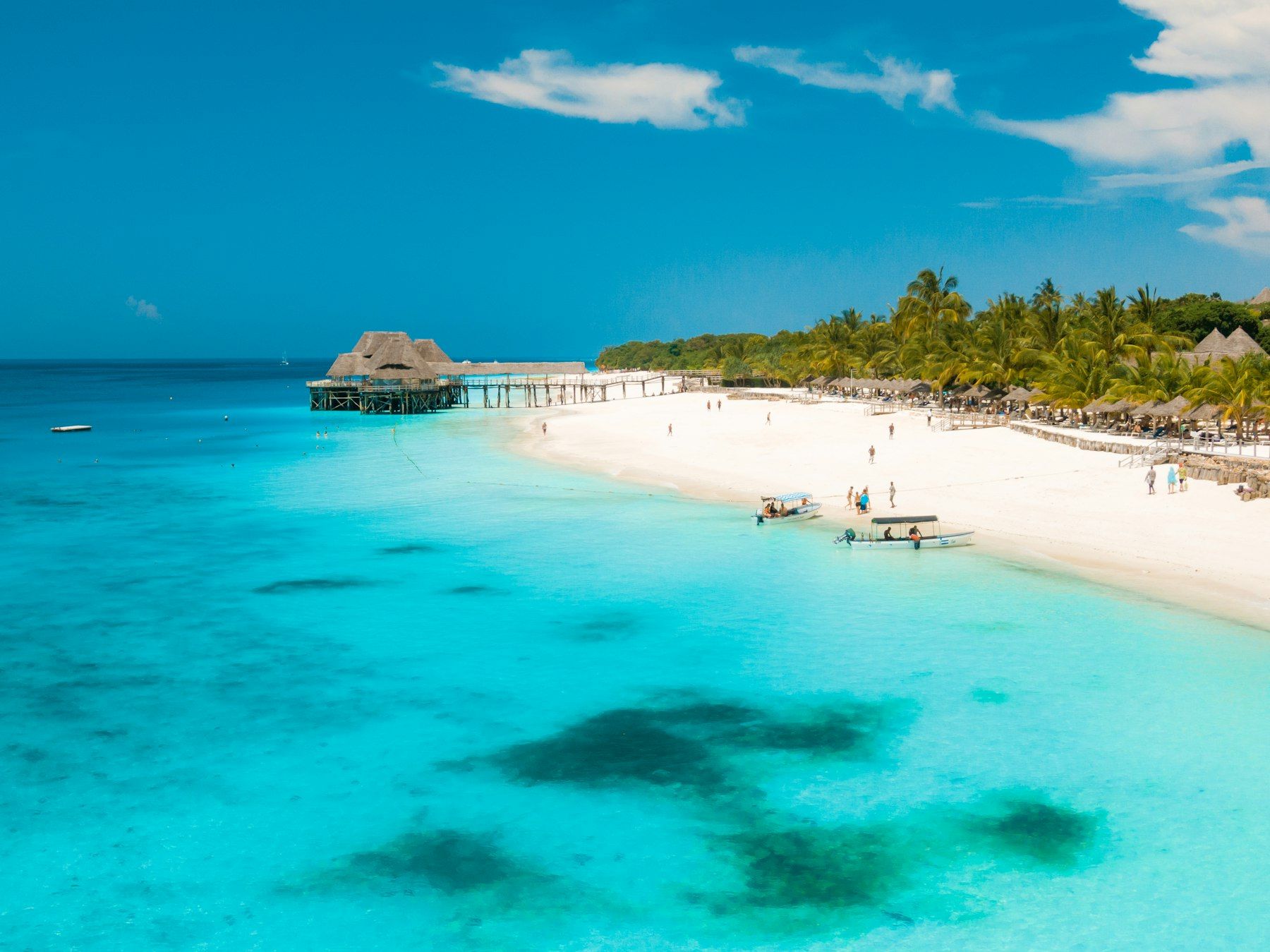
Drive to Arusha or Kilimanjaro airport in the morning and take a domestic flight to Zanzibar. Check in to a beach hotel and walk the sand for sunset.
Day 6: Zanzibar beach and spice tour
Spend the morning on the beach, with an optional afternoon spice tour or a dhow trip. If your hotel is in the north (Nungwi or Kendwa), swimming is possible at most tides. On the east coast, tides empty the lagoon at times, so check the tide table before planning a swim.
Day 7: Stone Town and home
Visit Stone Town, the old Swahili trading quarter: narrow lanes, carved wooden doors and the waterfront. Allow time for a late lunch, then transfer to the airport and fly home.
Honeymoon tips
- Book the bush first, the beach last. Dust and early starts are easier to take on day two than on day six, and the beach is the better reward.
- Tell the camp you are on honeymoon when you book. Some lodges add a room set-up or a dinner; others do not, so ask rather than assume.
- Pick the camp type early. Permanent lodges have more comfort, tented camps feel closer to the animals. Both are mid-range options at different price points.
- Leave one slow morning. A late start in Zanzibar after the safari is worth more than another excursion.
- Zanzibar is mostly Muslim. Dress modestly in Stone Town and away from the resort beaches, and ask before photographing people.
Vegetarian and Jain food
Safari lodges cook to order and routinely handle vegetarian requests if you give notice when booking. Strict Jain food needs a conversation with the operator and each lodge in advance, and the more remote the camp the more you should expect a repetitive menu. In Zanzibar, Stone Town and the main beach areas have Indian restaurants.
Best time to go
June to October is the dry season, with the easiest game viewing and the highest prices. January and February are warm, with calving season in the southern Serengeti and good beach weather. March to May has the long rains: cheaper, greener and muddier, with some camps closed. November and December bring short rains.
Practical tips
- Money: the currency is the Tanzanian shilling, but safari and hotel prices are quoted in dollars. Carry a forex card and some small, recent US notes; UPI does not work.
- SIM: buy an eSIM before you fly. Signal in the Serengeti is patchy.
- Plugs: Tanzania uses the UK three-pin plug (and some round-pin sockets), so bring a universal adapter.
- Luggage: domestic flights and safari vehicles favour soft bags, and small aircraft have tight baggage limits.
- Health: ask your doctor about malaria prevention, and carry insect repellent.
- Insurance: buy travel cover before you fly and check that it includes medical evacuation.
Related guides
For a shorter bush trip, our Kenya safari guide covers the Masai Mara and the Nairobi eTA. For other Indian Ocean honeymoons, see the Mauritius honeymoon guide and the Seychelles island hopping guide. More facts are on the Tanzania hub.
Frequently asked questions
Do Indians need a visa for Tanzania?
Yes. The Tanzania Immigration Services visa portal lists India among the nationalities that can apply online or obtain a visa on arrival, and recommends applying online. One visa covers both the Mainland and Zanzibar.
How much is the Tanzania visa for Indians?
The Tanzanian embassy's visa page gives US$50 for an ordinary single-entry visa, with exceptions listed only for Pakistan, the USA and Ireland. At roughly ₹85 to the dollar that is about ₹4,250 per person. Confirm the amount on the payment screen of the portal before you pay.
How long does the Tanzania e-visa take?
The portal's guidelines say online applications are processed within ten days. Apply at least two to three weeks before flying, and wait for the visa grant notice before you travel.
How much does a Tanzania honeymoon cost from India?
Roughly ₹1.5 lakh to ₹2.4 lakh per person for seven days: return flights, the visa, a three-night mid-range safari with park fees, a domestic flight and two nights in Zanzibar. A couple should budget about ₹3 lakh to ₹4.8 lakh together.
How many days do you need for Serengeti and Zanzibar?
Seven days works if you accept long drives: two nights in the Serengeti, one at Ngorongoro, then a flight to Zanzibar for two nights. With nine or ten days you can add Tarangire or a third Zanzibar night and keep the pace slower.
Do I need a yellow fever certificate for Tanzania from India?
We could not read a Tanzanian Ministry of Health notice, so we cannot give you the official rule. Travel-industry sources say a certificate is asked for from people arriving from, or spending 12 hours or more in, yellow fever endemic countries, and a connection through Nairobi or Addis Ababa can raise the question. Ask your airline and doctor, and carry the certificate if you have it.
What is the best time for a Tanzania honeymoon?
June to October is the dry season with the easiest game viewing and the highest prices. January and February are good for calving season in the southern Serengeti and warm for the beach. The long rains from March to May are the cheapest and the muddiest.
Can I use UPI or rupees in Tanzania?
No. Carry a forex card, a Visa or Mastercard and some clean, recent US dollar notes for tips and small extras. Cash in Tanzanian shillings comes from ATMs in Arusha, Dar es Salaam or Stone Town.