Published 14 Oct 2026
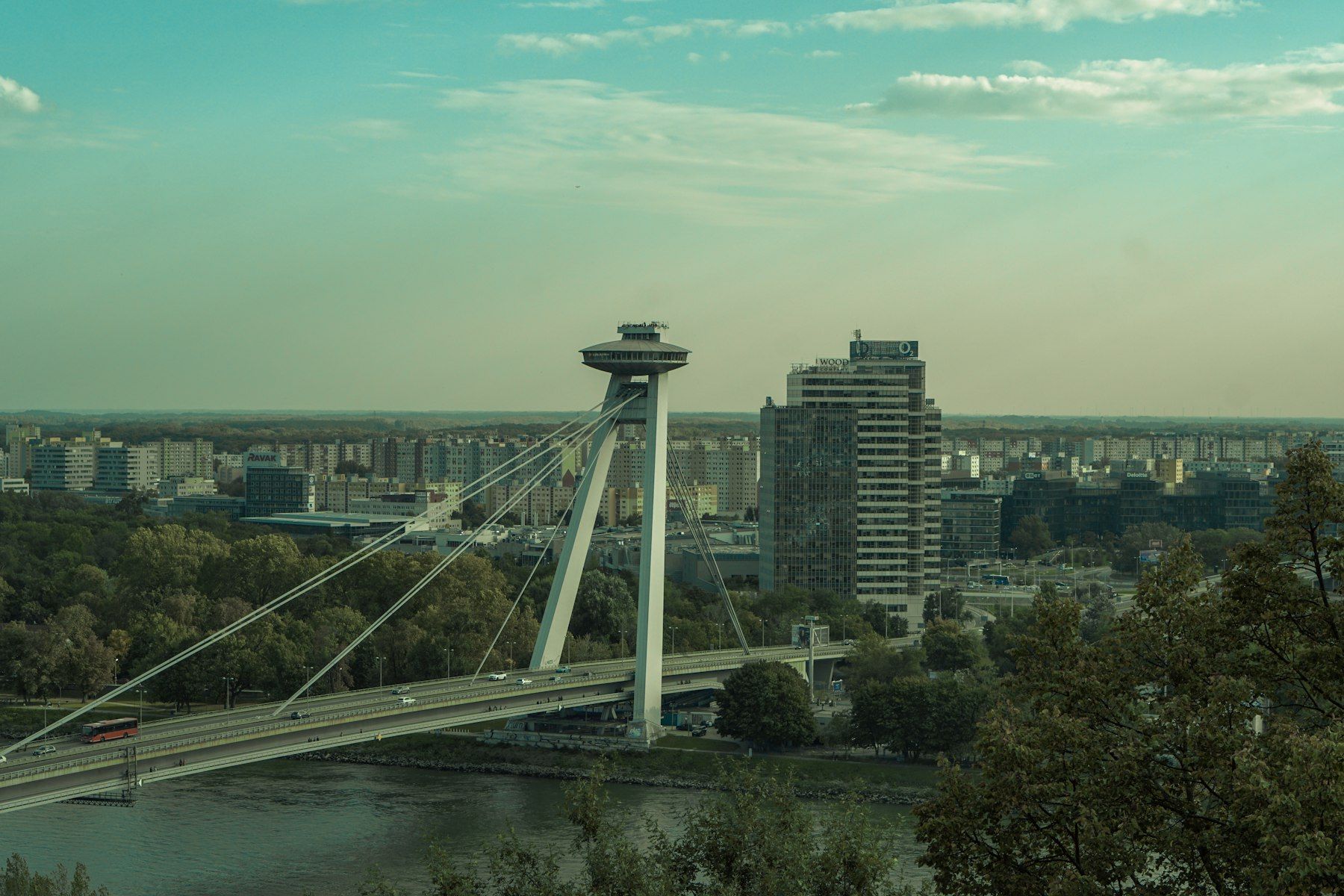
Six days is enough for Bratislava’s castle and old town, a train to the High Tatras and a day among the castles and medieval towns of the Spiš region. Indian passport holders need a Schengen visa for Slovakia, and a mid-range trip costs roughly ₹90,000 to ₹1.39 lakh per person.
Visa and entry rules for Indians
Slovakia is in the Schengen area, so Indian citizens need a Schengen short-stay visa. Apply for it at the Slovak embassy in New Delhi, which receives applications through a visa service provider.
- Fee: the EU Commission’s Schengen application page, checked on 14 October 2026, lists €90 for adults and €45 for children aged 6 to 12. Visa service centres may charge an additional fee.
- Processing: normally 15 days, up to 45 days if more documents are needed. Apply at least 15 days before your trip and no more than 6 months ahead.
- Documents: a valid passport that expires at least 3 months after you leave the Schengen area, the application form, a photo that meets ICAO standards, medical insurance covering emergency care, hospitalisation and repatriation, proof of your finances, accommodation and the purpose of your trip, and your plan to return home. Fingerprints are taken at submission. The consulate can ask for more.
- Where to apply: apply at the embassy of your main destination. If you spend most nights in Slovakia, that is the Slovak embassy. Combined trips with Austria or Hungary follow the same rule.
What we could not verify: we could not open the embassy’s own page or the service provider’s site from our systems on the day of writing. Secondary sources name different providers (VFS Global and BLS International), so check on the embassy page which one currently takes Indian applications, and what its service fee is, before you book. Use only that channel, because look-alike agent sites charge extra for the same service.
What it costs in rupees
Per person, two sharing a room, mid-range, six days and five nights. These are our estimates, not quoted fares.
| Item | Approx. cost |
|---|---|
| Return flights, India to Vienna, one stop | ₹38,000 – ₹58,000 |
| Schengen visa (€90) and service-centre fee | ₹11,000 – ₹13,000 |
| Hotels, 5 nights (half the room cost) | ₹16,000 – ₹28,000 |
| Food, about ₹1,700 – ₹2,700 a day | ₹10,000 – ₹16,000 |
| Trains, buses and local transport | ₹7,000 – ₹11,000 |
| Castles, cable cars, museums | ₹4,000 – ₹7,000 |
| eSIM, travel insurance, tips | ₹4,000 – ₹6,000 |
| Total | ₹90,000 – ₹1,39,000 |
The low end assumes cheap fares, a three-star hotel and early train bookings. The high end adds four-star hotels in Bratislava, summer fares and a Tatras cable-car ride. Prices rise around Christmas and in July and August.
Getting there
Vienna airport is the practical entry point, because it has more connections from India than Bratislava and sits about an hour away by road or rail. Check airlines for your dates, since schedules change. Fly into Vienna, take a train or bus to Bratislava, and fly home from Vienna after the last night. A train from Bratislava to Poprad, the gateway to the High Tatras, takes several hours, so book seats ahead in season.
Day-by-day itinerary
Day 1: arrive in Bratislava
Transfer from Vienna to Bratislava, check in near the old town and walk the pedestrian centre: Michael’s Gate, the main square and the statues of the lanes. Have dinner on a side street, not the main square.
Day 2: castle, Danube and Devín
Walk up to Bratislava Castle for the view over the Danube and the city. In the afternoon take a local bus to the ruined Devín Castle at the meeting of the Danube and Morava rivers. Come back for the Blue Church and a stroll along the river.
Day 3: train to the High Tatras
Take an early intercity train east to Poprad, then the local mountain railway to Starý Smokovec or Tatranská Lomnica. Check in, walk the forest trails near the resort and have an early night.
Day 4: a day in the mountains
Choose by weather and fitness: a cable car to Skalnaté pleso and a lakeside walk, an easy trail to a mountain lake, or a visit to Štrbské Pleso. Mountain weather changes fast, so keep the day flexible, and carry a layer even in summer. Hut and trail conditions vary by season, and some high trails close in winter, so check on the day.
Day 5: Levoča and Spiš Castle
Go to Levoča, a walled medieval town with a famous wooden altar in St. James’s church, and then to Spiš Castle, one of the largest castle complexes in central Europe and a UNESCO World Heritage site. Return to Poprad for the night.
Day 6: back to Vienna
Take the morning train back west and onward to Vienna for your evening flight. Leave a large buffer, since this is a long travel day. If your flight is early, spend the last night in Bratislava or Vienna instead.
Eating in Slovakia as an Indian traveller
Vegetarian options exist but take a little looking. Order bryndzové halušky without bacon, vyprážaný syr (fried cheese), potato pancakes, pirohy with cheese or potato, and mushroom soups (ask about meat stock). Bratislava has vegetarian restaurants and a few Indian places, but the mountain towns do not, so carry some packaged snacks. Traditional menus lean on pork, so say plainly what you do not eat.
Best time to go
May, June and September give green hills, open cable cars and fewer crowds. July and August are warm and busy in the Tatras. December suits Christmas markets in Bratislava and snow in the mountains. April and November are the muddy shoulder months, when some mountain facilities close.
Practical tips
- Money: Slovakia uses the euro. Cards work in cities, but keep cash for huts, small cafés and buses. UPI does not work.
- Trains: book seats on intercity trains in season, ahead of the day if you can.
- Insurance: the visa needs medical insurance, and mountain activity may need a policy that covers it, so check the exclusions.
- SIM: an eSIM bought before you fly saves queuing at the airport.
- Plugs: Slovakia uses the two-round-pin Type C/E plug at 230 V.
- Pairing: Vienna and Budapest are each a short train from Bratislava, so you can extend the trip.
Related guides
Slovakia pairs well with its neighbours: see the Austria trip, the Budapest 5-day plan, the Poland 7-day plan or the Prague trip. All facts for Slovakia are on the Slovakia hub.
Frequently asked questions
Do Indians need a visa for Slovakia?
Yes. Slovakia is in the Schengen area, so Indian passport holders need a Schengen short-stay visa, applied for through the Slovak embassy in New Delhi and its visa service provider. A visa from another Schengen country does not let you stay in Slovakia on its own terms unless Slovakia is your main destination or you enter there first.
How much is the Slovakia visa fee for Indians?
The EU Commission's Schengen page, checked on 14 October 2026, lists €90 for adults and €45 for children aged 6 to 12. Visa service centres may charge an additional fee, so the total is higher than the visa fee alone.
How long does a Slovakia Schengen visa take?
Normally 15 days, and up to 45 days if the application needs more documents or a closer look, per the EU Commission page. Apply at least 15 days before travel and no more than 6 months ahead. In practice, start a month or more before your dates.
How many days are enough for Slovakia?
Five or six days covers Bratislava, Spiš Castle and the High Tatras without rushing. A long weekend can do Bratislava and a day trip to Vienna. If you want proper hiking in the Tatras, add two days.
Is Slovakia good for vegetarians?
Fair. Traditional food is meat-heavy, but you can find bryndzové halušky (potato dumplings with sheep cheese; the traditional version is served with bacon, so ask for it without), fried cheese, potato pancakes, pirohy filled with cheese or potato, and mushroom dishes. Cities also have vegetarian restaurants and Indian places.
Can I use UPI in Slovakia?
Do not plan on it. Slovakia uses the euro. Cards are accepted in most cities and hotels, but mountain huts and small cafés in the Tatras prefer cash, so withdraw some euros at an ATM.
Is Slovakia cheaper than Austria or Czechia?
Generally cheaper than Austria for food and hotels, and about in line with Czechia and Hungary. Bratislava has a few high-priced old-town restaurants, but side streets and the mountains are reasonable.