Published 9 Oct 2026 · Updated 11 Oct 2026
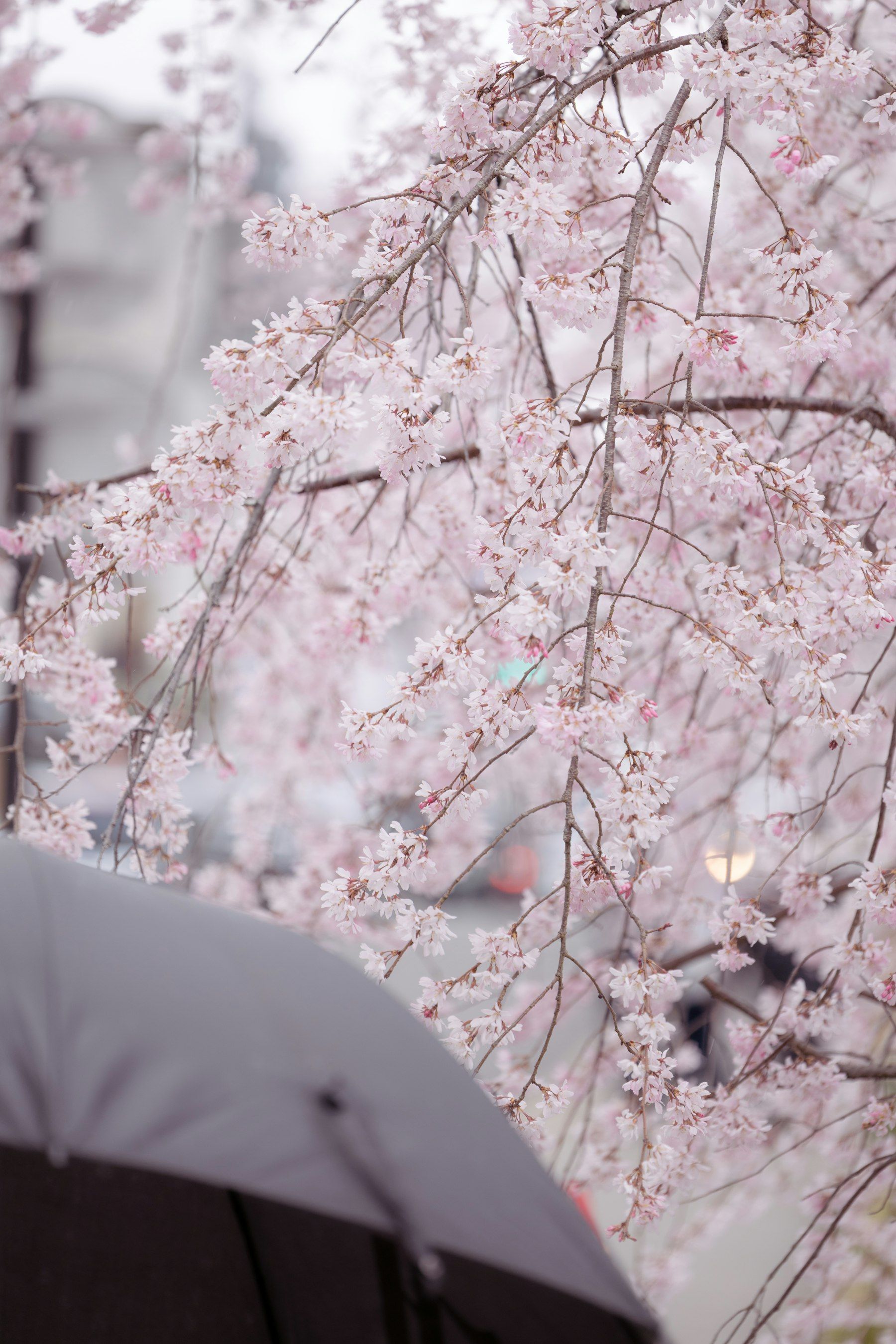
An 8-day Tokyo, Kyoto and Osaka trip in cherry blossom season costs roughly ₹1.35 to ₹1.9 lakh per person from India, and the part that needs the most planning is the visa: Indians must file for a Japan visa in advance, up to 89 days before travel. Blossom peaks around late March to early April, so for a late-March trip your visa window opens around late December.
Visa and entry rules for Indians
You need a visa before you fly. Japan has no visa on arrival for Indian passport holders. The tourist (“temporary visitor”) visa is filed at a Japan Visa Application Centre run by VFS Global. We checked the VFS Global Japan page for India on 9 October 2026, and it says:
- Fee: INR 500 for single or multiple entry for Indian nationals, effective 1 April 2026. It is refunded only if the consulate does not approve the visa.
- Service charge: INR 800 per application, charged on top and non-refundable. An optional courier return for the passport is INR 550 at some centres (Chennai, Hyderabad, Puducherry and Cochin are listed).
- Processing: a minimum of 3 working days from submission to the consulate, which VFS calls indicative only. It can be longer.
- When to apply: up to 89 days before the intended travel date and not earlier.
- Stay: the tourist visa allows a stay of up to 90 days; the consulate decides the length it grants.
- Documents: the VFS checklist for a tourist visa without a guarantor includes a passport with more than two blank pages (and old passports), a filled and signed application form, a covering letter with purpose and a typed day-by-day schedule, one 2 x 2 inch photo taken in the last 6 months, travel bookings and proof of accommodation, the last 3 years of income tax returns, the latest 3 months of bank statements, and a certificate of employment with leave sanction. It states that reservations are acceptable and recommends not buying confirmed tickets or hotels before the visa is granted.
Applicants who are students, dependants or company owners have extra documents in the same checklist, such as a sponsor letter and the sponsor’s returns.
Two things we could not confirm from official sources. Some agency sites say Japan has an eVISA route for Indian applicants; the Embassy of Japan in India’s page returned an error when we tried it, and the VFS page we read describes only the in-person route. Check the Embassy of Japan in India site before you apply, and trust only it and VFS for forms and fees. We also did not check Japan’s arrival procedures such as customs or immigration registration, so look those up before you fly. Beware of look-alike “Japan visa” sites that charge much more than the INR 500 plus INR 800 above; agents may legitimately charge a fee to submit for you, so ask for the total in writing.
What it costs in rupees
Per person, two sharing a room, mid-range, 8 days and 7 nights in late March to early April. These are our estimates, and yen has moved a lot in recent months. We used roughly ₹0.60 per yen, which is the range quoted by rate sites in September 2026, so check the day’s rate.
| Item | Approx. cost |
|---|---|
| Return flight, Delhi or Mumbai (non-stop or one stop) | ₹60,000 – ₹85,000 |
| Visa (INR 500 fee + INR 800 VFS service charge) | ₹1,300 |
| Hotel, 7 nights (half the room cost) | ₹28,000 – ₹42,000 |
| Food, about ₹2,500 – ₹3,500 a day | ₹18,000 – ₹26,000 |
| Bullet train Tokyo–Kyoto, local trains and IC card | ₹18,000 – ₹26,000 |
| Temples, gardens, observation decks and other entries | ₹5,000 – ₹8,000 |
| Travel insurance, eSIM, small extras | ₹3,000 – ₹5,000 |
| Total | ₹1,35,000 – ₹1,90,000 |
Flights and hotels are the swing items because March and April are peak months in Japan. Book the flight 3 to 4 months ahead and the hotels as soon as you have a forecast window. Fly into Tokyo and out of Osaka (an open-jaw ticket) so you do not backtrack.
Cherry blossom season: when and where
Blossom (sakura) usually reaches its peak in Tokyo, Kyoto and Osaka between late March and early April, and a tree is at full bloom for only about a week. The date moves every year with the winter weather. Forecasts from the Japan Meteorological Agency and private weather companies start appearing around January and change until the week itself, so keep your flights flexible if you can and pick Kyoto or Tokyo days around the latest forecast.
Plan for falling petals (hanafubuki) if you arrive a week late: they are just as photogenic.
Day-by-day itinerary
Days 1–3: Tokyo
Arrive at Narita or Haneda and take the airport train to your hotel. Spend the first afternoon in Ueno Park, where the trees line the central path, and the evening in Asakusa near Sensō-ji. On day 2 walk the Meguro River, a canal lined with blossom, then go to Shibuya and Shinjuku Gyoen, a large garden with a ticket and dozens of varieties that bloom over several weeks. Day 3 can be a day in Harajuku, Meiji Shrine and the Tokyo Skytree or Shibuya Sky; book the observation deck a few days ahead.
Days 4–7: Kyoto and Nara
Take the Tokaido Shinkansen from Tokyo to Kyoto, about 2 hours 15 minutes on the fastest train. Reserve a seat, and ask for the right-hand side for a view of Mt Fuji if the weather is clear. In Kyoto:
- Day 4: Philosopher’s Path, the canal walk in the lead photo, and Ginkaku-ji; end at the Gion district.
- Day 5: Fushimi Inari at dawn, then Kiyomizu-dera and Maruyama Park.
- Day 6: day trip to Nara by train to see the deer in Nara Park and Tōdai-ji.
- Day 7: Arashiyama (the bamboo grove and the Togetsukyo bridge), then to Osaka in the evening.
Days 7–8: Osaka and fly home
Osaka is for food: Dotonbori, takoyaki and okonomiyaki. Visit Osaka Castle for blossom in the morning of day 8 if your flight is in the evening, and take the airport train to Kansai International. Keep two hours free for the trip back to the airport.
Eating in Japan as an Indian traveller
Vegetarian travellers should know that dashi, a fish stock, goes into most soups, sauces and even some vegetable dishes. Ask for “niku nashi, sakana nashi” (no meat, no fish), but expect a restaurant to say it is hard. Kyoto’s shojin ryori temple meals and the Buddhist vegetarian restaurants near Tenryū-ji are reliable. Indian restaurants are common in Tokyo, Kyoto and Osaka, and convenience stores sell onigiri with umeboshi or kombu. Jain travellers should carry dry food for the first days.
Best time to go
Late March to early April is cherry blossom and the busiest time of year: expect crowds and high prices. November brings autumn leaves and has similar crowds. October is mild and quieter. June to July is the rainy season, July to September is hot and humid with typhoons, and December to February is cold, with snow in the north. If you cannot get the blossom window, a November trip is the closest alternative.
Practical tips
- Money: use a forex card and carry yen cash. Cash is still common at small restaurants, shrines and ticket machines.
- IC card: get a Suica or Pasmo on the phone wallet if your phone supports it, or buy one at a station. It works across cities on trains, buses and in many shops.
- Rail pass: the nationwide JR Pass raised its prices sharply in October 2023 and rarely pays off on a Tokyo to Kyoto to Osaka route, so price single tickets before you buy.
- SIM: an eSIM bought before you fly saves time at the airport.
- Plugs: Japan uses a 100 V supply with two flat-pin plugs (Type A). Most Indian phone and laptop chargers work, but check that yours says 100–240 V.
- Etiquette: carry your rubbish with you, because public bins are rare; keep your voice low on trains.
- Luggage: use a luggage-forwarding service (takkyubin) between Tokyo and Kyoto, so you travel with only a small bag.
Related guides
For another East Asian city break with a visa-free route, see our Hong Kong 4 days guide, the South Korea 7-day plan for Seoul and Busan, or the Turkey 7-day plan for another city-and-sights trip. More facts are on the Japan hub.
Frequently asked questions
When is the cherry blossom season in Japan?
Blossom usually peaks in Tokyo, Kyoto and Osaka between late March and early April, and each tree is at its best for only about a week. The exact dates move every year with the winter weather, so plan a window of about 10 days and watch the forecasts that start appearing from around January.
Do Indians need a visa for Japan?
Yes. Indian passport holders need a visa before travel; there is no visa on arrival. The tourist visa is filed at a Japan Visa Application Centre run by VFS Global, and the visa fee for Indians is INR 500 plus a VFS service charge of INR 800, as listed on the VFS Chennai page we checked on 9 October 2026.
How early should I apply for a Japan visa for sakura season?
VFS says you can apply up to 89 days before the travel date, and not earlier. For a 25 March departure that means from about late December. The stated processing time is a minimum of 3 working days, but it is only indicative, so apply as soon as your window opens rather than the week before.
How much does a Japan cherry blossom trip cost from India?
Roughly ₹1.35 lakh to ₹1.9 lakh per person for 8 days with return flights, 7 hotel nights, food, bullet train and local transport. Flights and hotels cost the most because blossom season is peak season, and booking 3 to 4 months ahead keeps you at the lower end.
Is Japan expensive for Indian travellers?
It is cheaper than most people expect for food and transport, and dearer for hotels and flights in March and April. Convenience-store and noodle-shop meals cost about ¥600 to ¥1,200. Hotel rooms are small, so book two travellers into one room to halve the line.
Is it hard to find vegetarian food in Japan?
It takes planning. Dashi fish stock goes into many soups and sauces, so even vegetable dishes can contain fish. Temple-style shojin ryori in Kyoto is fully vegetarian, and Indian restaurants are common in Tokyo, Kyoto and Osaka. Carry dry snacks for the first days.
Can I use UPI in Japan?
Do not rely on it. Use a forex card or a Visa or Mastercard without a high foreign-exchange markup, and keep some yen in cash because small shops, shrines and some restaurants take only cash. Load an IC card such as Suica or Pasmo for trains and many shops.