Published 12 Oct 2026 · Updated 13 Oct 2026
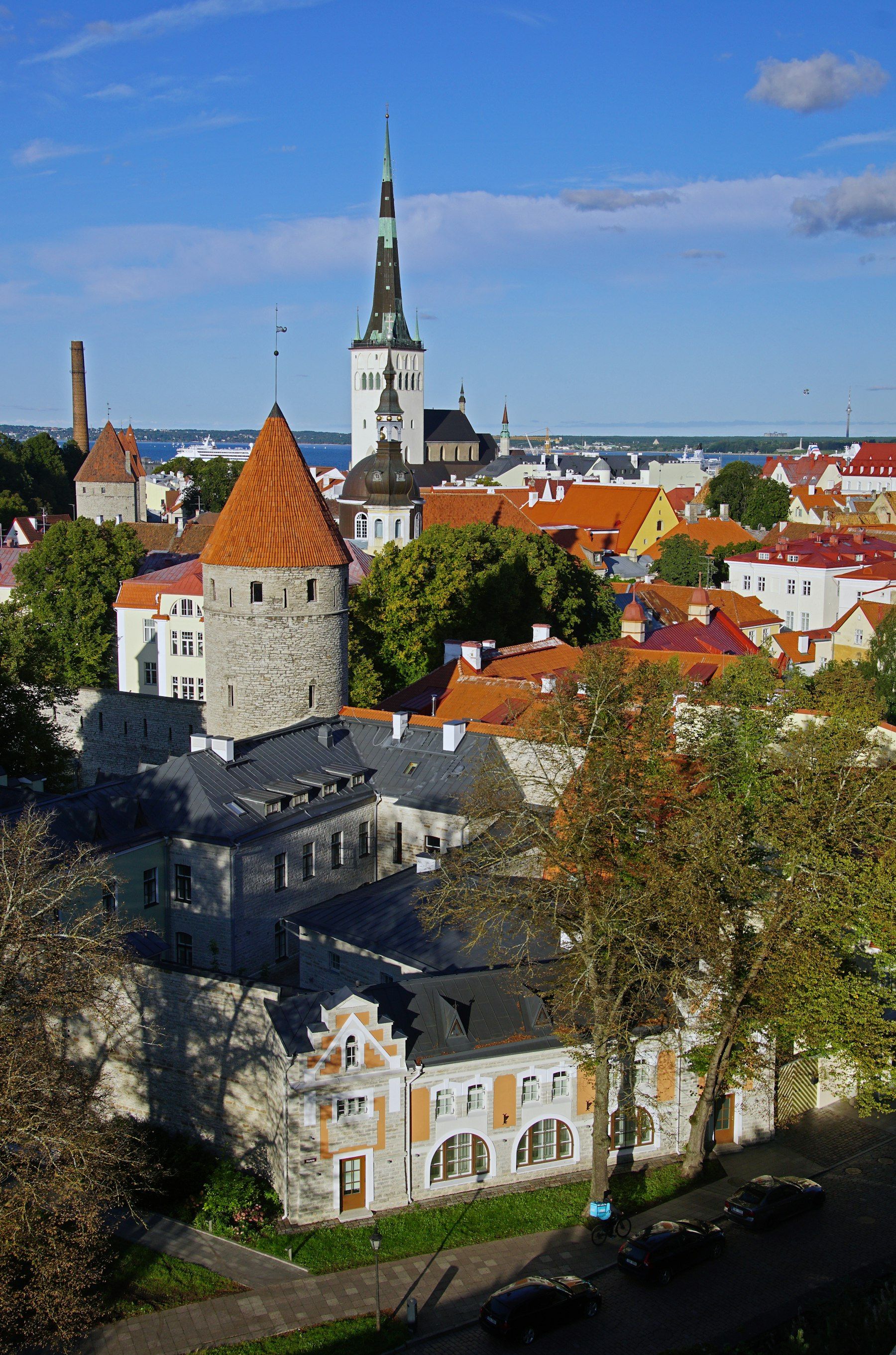
The simplest first trip to Estonia is two nights in Tallinn’s medieval old town, a day in Lahemaa National Park, a day in the university city of Tartu and a last evening back in Tallinn. Budget roughly ₹1.1 to ₹1.5 lakh per person for five days including flights, and start the Schengen visa at least six weeks before you fly.
Visa and entry rules for Indians
Indian passport holders need a Schengen short-stay visa (type C) for tourism in Estonia, applied for in advance. We checked the Estonian foreign ministry’s page Application for a Schengen visa on 12 October 2026, and it says:
- Where to apply: the ministry works with an external service provider, VFS Global, in India. Applications are lodged in person and the appointment is booked online. The page does not name an Indian city or centre, so choose one on the VFS Estonia page.
- Fee: €90 for adults, €45 for children aged 6 to 11 and no fee under 6. The €35 rate on the page applies to nationals of a short list of other countries, not India. The VFS service fee is not stated by the ministry, so check VFS for the current amount.
- When to apply: at least 15 days before the journey and no earlier than six months ahead.
- Processing: a decision is normally taken within 15 days of the application being found admissible, extendable to 45 days in individual cases. Consultation with other Schengen states can add up to seven days.
- Passport: issued within the last 10 years, with at least two free pages, and valid at least three months beyond your departure from the Schengen area. One section of the page ties the three months to the visa’s expiry instead, so keep a comfortable margin.
- Insurance: travel medical insurance of at least €30,000, valid in all Schengen states.
- Money: the page puts sufficient means at €70 for each day of stay in Estonia, to be shown with your supporting documents.
- Biometrics: a photo and 10 fingerprints are taken when you lodge. They are not retaken if given for a previous visa less than 59 months ago.
- Documents: the signed online application form, passport, photo, insurance, proof of the purpose of the trip, accommodation and means of support, from the harmonised supporting-documents list for India.
Estonia expects applications from travellers whose main destination is Estonia, which is the general Schengen rule. If it is a side trip from Finland or Poland, apply to the country where you spend the most nights. More facts are on the Estonia hub.
Apply only through the ministry’s appointment system and VFS Global. Look-alike “Estonia visa” sites charge large fees for the same appointment. Book flights on a refundable or flexible fare until the visa is in hand.
What it costs in rupees
Per person, sharing a mid-range double room, for five days (two nights in Tallinn, one around Lahemaa or on the road, one in Tartu). These are our estimates for typical fares and rates, and they swing with season. One euro is roughly ₹100 to ₹105, so check the day’s rate.
| Item | Approx. cost |
|---|---|
| Return flights Delhi or Mumbai, one stop | ₹55,000 – ₹75,000 |
| Visa fee (€90) plus our allowance for a service fee | about ₹12,000 |
| Hotels, 4 nights (half a €80–120 room) | ₹16,000 – ₹24,000 |
| Food, about €30–40 a day | ₹15,000 – ₹21,000 |
| Buses, taxis and a Lahemaa day trip or car share | ₹6,000 – ₹10,000 |
| Attractions (museums, manor, Tallinn Card or single entries) | ₹4,000 – ₹7,000 |
| Travel insurance, eSIM, small extras | ₹4,000 – ₹6,000 |
| Total | ₹1.1 – ₹1.5 lakh |
Estonia sits between Poland and Finland on price: hotels are cheaper than Helsinki, and the old town is compact enough to skip taxis.
Day-by-day itinerary
Day 1: arrive in Tallinn
Tallinn Airport is a few kilometres from the centre and tram line 4 reaches the edge of the old town in about 15 minutes. Drop your bags, then walk the cobbled lanes inside the town wall, Town Hall Square and the Viru Gate. Eat early, as many old-town kitchens close by 10 pm outside summer.
Day 2: Toompea, Kadriorg and Telliskivi
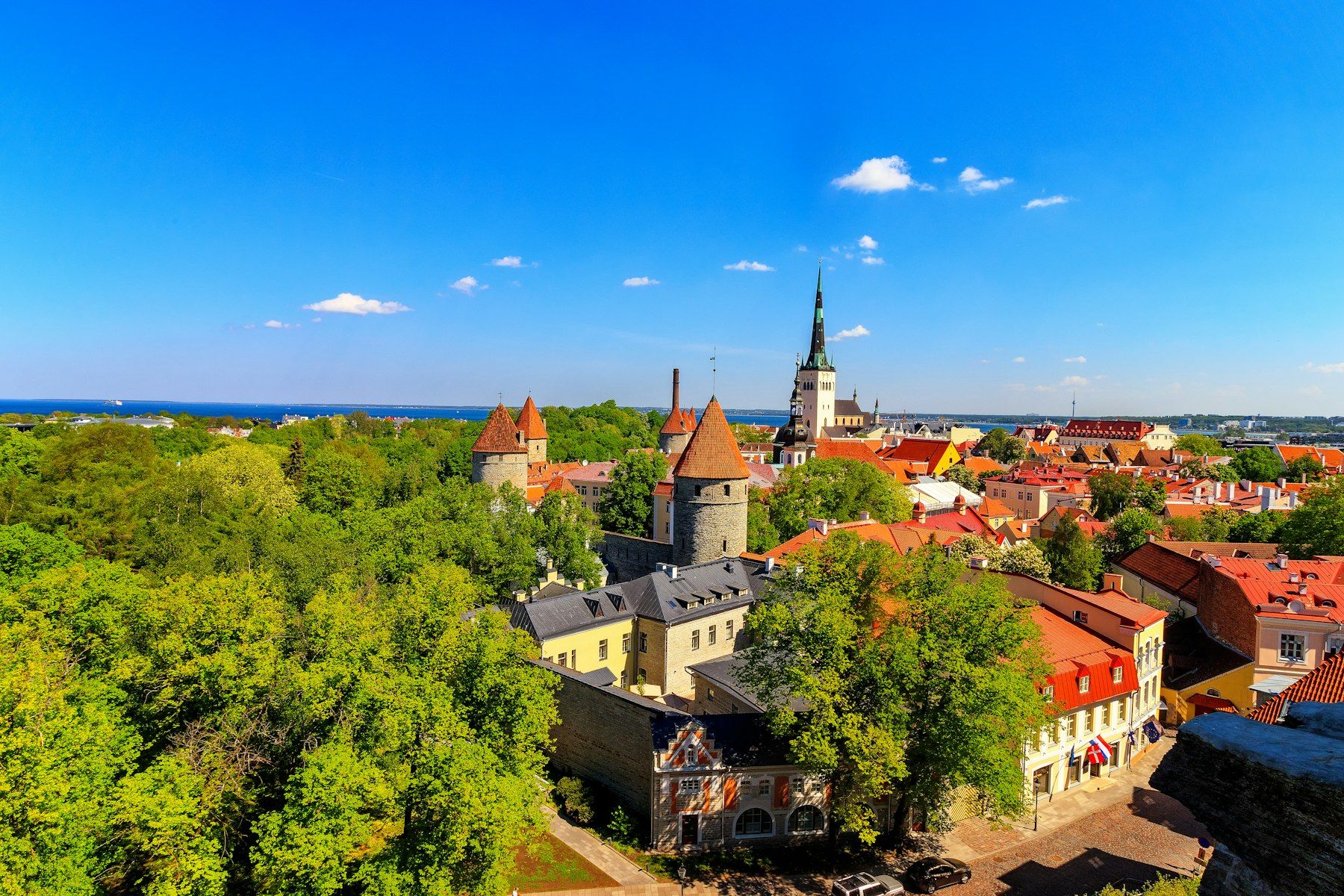
Walk up to Toompea hill for the viewing platforms over the red roofs, the Alexander Nevsky Cathedral and the Lutheran Dome Church. After lunch, take a tram or Bolt to Kadriorg Park and its baroque palace, then end in the Telliskivi Creative City and the wooden houses of Kalamaja for dinner. The old town is free to walk, so pay only for the one or two museums you really want.
Day 3: Lahemaa National Park
Lahemaa is about 70 km east of Tallinn. Without a car, join a day tour or share a taxi, since public buses reach only a few villages and rarely fit a day trip. Walk the Viru bog boardwalk (a short loop over open peatland and pools), see Palmse manor with its park and café, and stop at the fishing village of Altja or the sea-captains’ village of Käsmu. Wear shoes that can get wet and carry a rain layer.
Day 4: bus to Tartu
Take a morning intercity bus to Tartu, about 2.5 hours from Tallinn’s bus station. The country’s oldest university city is easy on foot: Town Hall Square, the university’s main building, the Toomemägi hill park and the colourful wooden houses of Supilinn. The Estonian National Museum on the edge of town is worth half a day if the weather is poor.
Day 5: back to Tallinn and fly home
Take an afternoon bus back or an early one if your flight is in the evening. Leave about 45 minutes for the transfer from the bus station to the airport and arrive three hours before a flight to India.
Estonia for vegetarians and Jain travellers
Tallinn has a larger vegetarian and vegan scene than most European capitals of its size, and many restaurants mark vegan dishes on the menu. Everyday finds are potato pancakes, mushroom soup, black rye bread with cheese, beetroot salads, pasta and pizza. Traditional restaurants use pork, bacon and meat stock widely, so ask before you order. Strict Jain travellers will find onion and garlic hard to avoid, so carry dry snacks and cook in an apartment kitchen for a few meals.
Best time to go
June to August gives the long days, with light until late evening around midsummer. May and September are cheaper and quieter, with the bog trails still open. December is cold, dark and atmospheric for the Christmas market. Winter bog walks, when the boardwalk is frozen or snowy, are possible but need warm shoes.
Practical tips
- Money: Estonia uses the euro. Cards and phone payments work nearly everywhere, and UPI does not. Use a bank ATM rather than airport exchange booths.
- Transport: Bolt, which started in Estonia, is the easy way to move around Tallinn. Intercity buses to Tartu are frequent and can be booked in advance online.
- SIM: an eSIM bought before you fly saves queueing at the airport.
- Plugs: Estonia uses the two-round-pin Type C/F plug at 230 V, so pack an adapter.
- Tipping: about 5 to 10 percent at restaurants is usual if service was good.
- Helsinki add-on: ferries to Helsinki take about two hours, and the same Schengen visa covers Finland.
- Paperwork: keep your visa, insurance certificate and hotel bookings in one folder.
Related guides
Want another Schengen trip on the same visa? See the Finland Lapland winter plan, the Poland 7-day plan or the Sweden summer plan. Pairing it with Latvia? See the Riga long weekend or the Lithuania 6-day plan. All facts for Estonia are on the Estonia hub.
Frequently asked questions
Do Indians need a visa for Estonia?
Yes. Indian passport holders need a Schengen short-stay visa (type C) for tourism. Estonia's foreign ministry says applications are lodged in person with its external service provider, VFS Global in India, after booking an appointment online. The visa allows up to 90 days in any 180-day period across the Schengen area.
How much is the Estonia Schengen visa fee for Indians?
The ministry lists €90 for adults, €45 for children aged 6 to 11 and no fee under 6. The reduced €35 fee is for nationals of a short list of European and Caucasus countries and does not apply to India. A separate VFS service fee applies, but the ministry page does not give an amount, so check the VFS Estonia page.
How long does the Estonia visa take from India?
The ministry says to lodge at least 15 days before travel and no earlier than six months ahead. A decision is normally taken within 15 days of the application being found admissible, extendable to 45 days in individual cases, and consultation with other states can add up to seven days. Plan for six to eight weeks before flying.
How many days are enough for Estonia?
Five days covers two days in Tallinn, a day in Lahemaa National Park and a day in Tartu. Add one or two days for the island of Saaremaa or the coastal spa town of Pärnu, and a night in Helsinki is an easy two-hour ferry add-on.
How much does an Estonia trip cost from India?
Roughly ₹1.1 to ₹1.5 lakh per person for five days, sharing a mid-range hotel room, including return flights from Delhi or Mumbai, the visa, buses, food and entry tickets. Flight fares in June to August and December are the biggest swing.
Is Estonia good for vegetarians from India?
Better than most of Northern Europe. Tallinn has a strong vegan and vegetarian café scene, and potato dishes, mushroom soups, black bread with cheese, salads and pasta are everywhere. Traditional dishes often use pork or bacon, so ask, and Jain food needs planning.
Can I use UPI in Estonia?
No. Estonia uses the euro and UPI is not accepted. Cards and phone payments work almost everywhere, even for small purchases, so a forex card or a debit card with international use enabled is enough. Keep a little cash for public toilets and a few market stalls.
What is the best time to visit Estonia?
June to August has long days, with sunset after 10 pm around midsummer, and the sea and bog trails at their best. May and September are cheaper and quieter. December suits the Tallinn Christmas market but is dark and cold, with the sun setting by about 3:30 pm.