Published 12 Oct 2026 · Updated 12 Oct 2026
The easiest family trip to Denmark is three nights in Copenhagen, two in Billund for LEGO House and Legoland, and a day in Odense on the way back, all by train. Budget roughly ₹1.25 to ₹1.75 lakh per person for seven days, averaged across a family of four, and start the Schengen visa at least six weeks before you fly.
Visa and entry rules for Indians
Indian passport holders need a Schengen short-stay visa (type C) for tourism in Denmark, applied for in advance. We checked the Danish Immigration Service’s tourist visa page and the VFS Global Denmark India page on 12 October 2026. They say:
- Where to apply: in person at the VFS Global centre in India. If you visit several Schengen countries, apply to the country where you spend the most nights, which here is Denmark. You also complete the form and pay online first at applyvisa.um.dk, then print and sign the cover letter for the centre, according to VFS.
- Fee: €90 for adults and €45 for children aged 6 to under 12, charged at the exchange rate on the application date. VFS adds a non-refundable service fee of INR 2,109 (€19), payable by cash, card or UPI. Applicants outside Delhi pay a mandatory €4 courier charge.
- Processing: decisions are normally due within 15 days of the embassy receiving the application, excluding VFS handling time, and can take up to 30 or 45 days in difficult cases.
- Insurance: minimum cover of €30,000, valid across all Schengen countries for the whole stay. The visa may be shortened if the policy does not cover the full period.
- Funds: the Danish page says the mission expects about DKK 350 a day, or about DKK 500 a day if you stay in a hotel, with the final amount set by the mission.
- Passport and photo: issued within the last 10 years, at least two blank pages, valid three months past the visa expiry. A 35 × 45 mm photo and fingerprints at submission.
- Children: each child needs an application of their own. Children under 12 need a photo but no fingerprints, according to VFS. Check the VFS checklist for what a minor must carry, which can include parental consent papers if only one parent travels.
The Danish page advises not to buy a plane ticket before you have the visa. The embassy has also posted that VFS appointments were restricted for a period, and the notice we found was undated, so check slot availability early. A Denmark visa also covers the rest of the Schengen area, the same process as in our Austria plan and Prague plan. More facts are on the Denmark hub.
Apply only through VFS Global or the embassy. Look-alike “Denmark visa” sites charge large fees for the same appointment.
What it costs in rupees
Per person, averaged across a family of four (two adults, two children aged 6 to 12) sharing one family room, seven days and six nights. These are our estimates, and they move with season and with the day’s exchange rate. One Danish krone is roughly ₹13 to ₹14, and one euro about ₹100 to ₹105.
| Item | Approx. cost per person |
|---|---|
| Return flights Delhi or Mumbai, one stop | ₹55,000 – ₹75,000 |
| Visa fee (€90 adult, €45 child) plus VFS service charge | about ₹9,000 |
| Hotels, 6 nights (family room at DKK 1,400–2,000, shared by four) | ₹25,000 – ₹35,000 |
| Food, mixing supermarkets, bakeries and one restaurant meal a day | ₹16,000 – ₹24,000 |
| Trains, metro and buses | ₹6,000 – ₹9,000 |
| Tickets (Tivoli, aquarium, LEGO House, Legoland, H.C. Andersen museum) | ₹10,000 – ₹15,000 |
| Travel insurance, eSIM, small extras | ₹4,000 – ₹6,000 |
| Total | ₹1.25 – ₹1.75 lakh |
Legoland’s website listed day tickets from DKK 349 per person when we looked, and Tivoli did not publish entrance prices on the page we could open, so check both ticket shops before you finalise the budget. A Copenhagen hotel in a two-bedroom apartment with a kitchen often beats two hotel rooms for a family, and Denmark’s supermarkets (Netto, Rema 1000, Føtex) make breakfast and packed lunches cheap.
Day-by-day itinerary
Days 1–3: Copenhagen
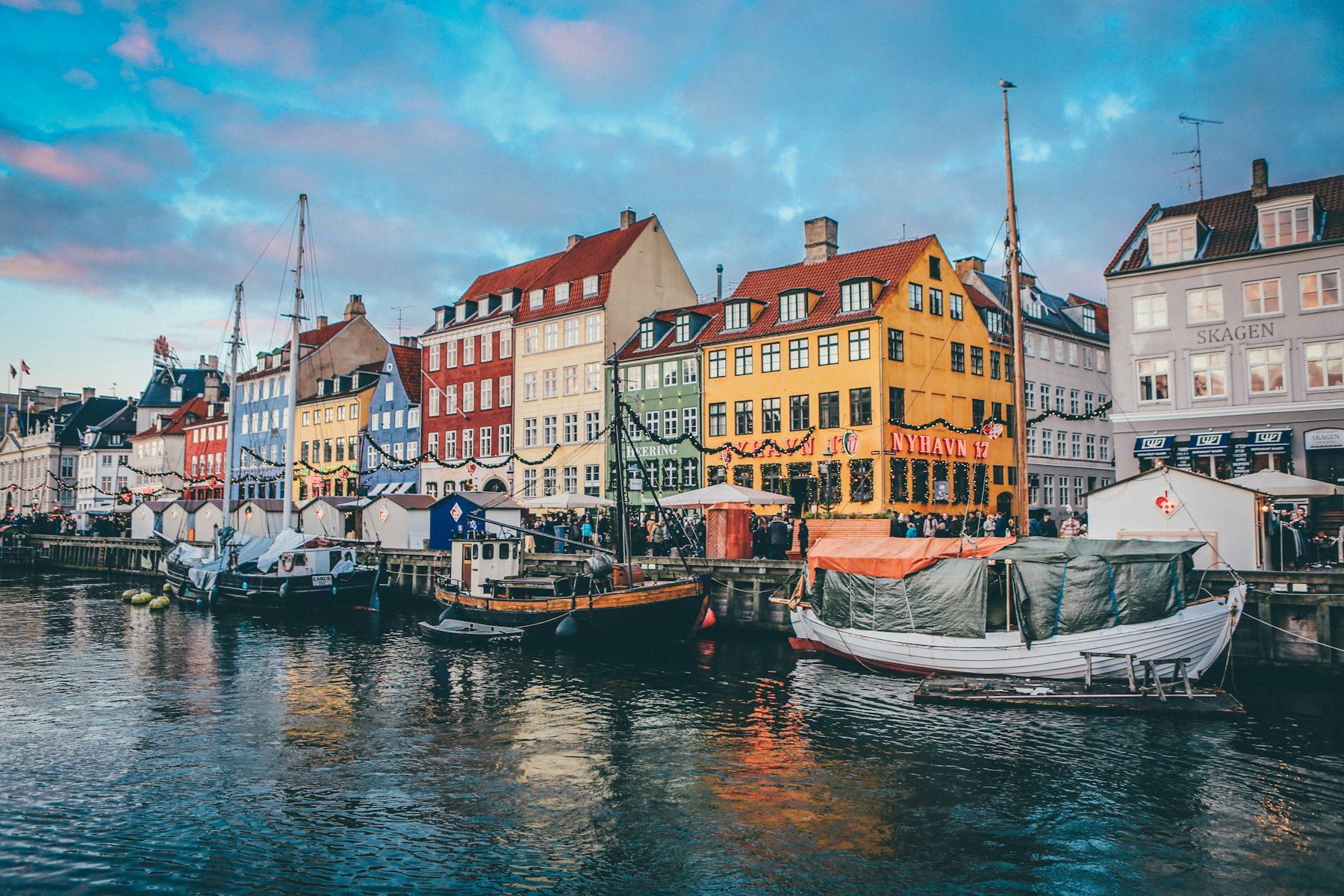
Day 1: arrive and walk Nyhavn. Take the metro from the airport into the centre, drop your bags and walk to Nyhavn, the canal lined with colourful old houses. Keep the evening light: kids will sleep early after the flight.
Day 2: Tivoli and Rosenborg. Spend the morning at Rosenborg Castle and its gardens, with the crown jewels, then lunch at Torvehallerne food market. Tivoli Gardens, in the middle of the city, is the evening highlight, with rides, fountains and lights. Tivoli’s published seasons include Halloween from 2 October to 1 November 2026, Christmas from 13 November, and summer from 30 March 2027, so check the season you are travelling in.
Day 3: aquarium and canal tour. Visit Den Blå Planet, the National Aquarium Denmark, in the morning, then take an afternoon canal boat tour from Nyhavn or Christianshavn. Finish with a walk to the Little Mermaid statue if the children want the photograph.
Days 4–5: Billund and Legoland
Day 4: train to Billund and LEGO House. Take a morning train from Copenhagen across to Jutland and a bus on to Billund, about three to three and a half hours in total. Check the DSB and Rejseplanen apps for the exact connection. After checking in, spend the afternoon at LEGO House in the town centre, which is open year-round and suits all ages.
Day 5: Legoland. Arrive when the gates open, do the big rides first and keep the miniature-world area (Miniland) for the middle of the day. Legoland is seasonal and closes for long periods in winter, so confirm the dates for your week before booking. Its Halloween season runs from 2 October to 1 November 2026.
Day 6: Odense and back to Copenhagen
Take a morning train from Billund towards Odense, about two hours, and leave bags in a station locker. Visit the H.C. Andersen Museum and the old-town lanes where the fairy-tale writer was born. Then take an afternoon train to Copenhagen, roughly 75 minutes.
Day 7: fly home
Aim to reach the airport three hours before an international departure, and allow time for EU Entry/Exit System checks.
Eating as an Indian family in Denmark
Restaurants are expensive, so most families cook, picnic or eat from bakeries and food halls. Supermarkets sell rice, lentils and ready vegetarian meals, and Indian restaurants are easy to find around Vesterbro and Nørrebro in Copenhagen. Kitchens in apartment-hotels let you cook simple meals. Danish classics such as smørrebrød (open sandwiches) are mostly fish or meat, and Jain travellers will find it hard to avoid onion and garlic, so carry dry snacks. Tap water is safe to drink, so refill bottles.
Best time to go
May to September gives the longest days, and Legoland and Tivoli’s summer seasons are open, so this is the best window for children. July and August are warmest and most expensive. Late October brings Halloween events at both parks and cheaper flights, with cold evenings. November to early January has Tivoli’s Christmas season but short, dark days, and Legoland may be closed apart from special events. If you are planning a winter trip with a snowy theme instead, our Finland Lapland plan is the better fit.
Practical tips
- Money: Denmark uses the krone. Cards are accepted nearly everywhere, and UPI does not work.
- Transport: buy tickets in the DSB and Rejseplanen apps, and use the Copenhagen metro and S-train for the city. Check family discounts on DSB when you book.
- SIM: an eSIM bought before you fly saves queueing at the airport.
- Plugs: Denmark uses the two-round-pin Type C plug at 230 V, so pack an adapter. Some sockets are Type K.
- Strollers and car seats: taxis and rental cars need child seats under Danish rules, so request one when booking.
- Weather: pack layers and rain jackets in every month, as showers are common.
Related guides
Travelling with children elsewhere? See our Singapore with kids plan and the Dubai family trip. For another Schengen trip on the same visa, see the Netherlands tulip season plan the Germany Christmas markets plan or our Sweden summer plan. All facts for Denmark are on the Denmark hub.
Frequently asked questions
Do Indians need a visa for Denmark?
Yes. Indian passport holders need a Schengen short-stay visa (type C) for a tourist trip to Denmark. You apply at a VFS Global centre in India, in person, and the Royal Danish Embassy in New Delhi decides. The visa allows up to 90 days in any 180-day period across the Schengen area.
How much is the Denmark visa fee for Indians?
The Danish Immigration Service lists €90 for adults and €45 for children aged 6 to under 12. VFS India lists its own service fee of INR 2,109 (€19), and applicants outside Delhi pay a €4 courier charge. The visa fee is converted at the exchange rate on the application date.
How long does a Denmark visa take?
VFS says decisions normally come within 15 days of the embassy receiving the application, excluding VFS handling time. Cases needing more checks can take up to 30 days, and exceptional ones up to 45. Apply six to eight weeks before you fly, and do not buy non-refundable tickets until the visa is in hand.
How many days are enough for Denmark with kids?
Seven days works well: three in Copenhagen for Tivoli, the aquarium and canals, two in Billund for LEGO House and Legoland, and a day in Odense on the way back. With five days, keep Copenhagen and Legoland and drop Odense.
How much does a Denmark family trip cost from India?
Roughly ₹1.25 to ₹1.75 lakh per person for seven days, averaged across a family of four (two adults, two children aged 6 to 12), including return flights, the visa, mid-range family rooms, trains, food and tickets. Denmark is expensive, so supermarkets and kitchen-equipped apartments are the main saving.
Is Denmark good for vegetarian Indian families?
Yes, in Copenhagen. Supermarkets stock vegetarian ready meals, falafel and pizza are everywhere, and Indian restaurants are common in Vesterbro and Nørrebro. Traditional Danish open sandwiches (smørrebrød) are mostly fish or meat, and Jain food needs planning, so carry dry snacks.
Can I use UPI or rupees in Denmark?
No. Denmark uses the Danish krone, and it is one of Europe's most card-based countries, so a forex card or an international Visa or Mastercard works almost everywhere, including small shops and public transport. Carry only a little cash.