Published 11 Oct 2026
An 8-day Ireland trip from India costs roughly ₹1.6 to ₹2.35 lakh per person, and the Irish visa is a separate application that the embassy says to start up to 90 days before you fly. This plan runs Dublin, Galway, the Cliffs of Moher, Killarney and Cork by train, bus and one day tour.
Visa and entry rules for Indians
Indian passport holders need an Irish visa before travel, and the Schengen visa does not cover Ireland. We read the Embassy of Ireland in New Delhi’s visa page, its processing times page and Irish Immigration’s tourist visa page on 11 October 2026. They say:
- Visa type: a short-stay ‘C’ visa for tourism, of up to 90 days or the date border control permits, whichever is sooner.
- Fee: ₹5,300 for a single-entry visa and ₹9,000 for multiple entry, paid to VFS when you book the appointment. Irish Immigration’s fee table shows €60 and €100. VFS service charges are extra, and we did not see the amount on the embassy page.
- How to apply: fill in the form on the AVATS online system, print and sign the summary sheet, then book a VFS appointment. Applicants aged 5 and over give biometrics at the VFS centre.
- Processing time: 6 to 8 weeks for a visit visa as a usual first decision, from the day the embassy receives your file. The embassy page, updated 17 September 2026, says this excludes the VFS wait and courier time, and that timings are not guaranteed.
- Timing: apply up to 90 days before travel. Flight bookings are not required, and the embassy says flights booked before a visa arrives are at your own risk.
- Documents: your passport valid for at least 6 months after you leave Ireland, copies of old passports, 2 photos, a letter with your travel plan, accommodation reservations with dates, an original bank statement for the last 6 months, your 3 latest payslips and an employer letter with your leave dates. Irish Immigration says no fixed minimum balance exists; the officer judges your circumstances.
- Insurance: have travel or medical insurance when you arrive in Ireland and show it if asked.
If you hold a valid UK visitor visa, the embassy says some Indian passport holders can travel onward to Ireland under the British and Irish Visa Scheme, once inside a valid period of UK leave. Read the conditions before relying on it, and see our UK guide.
Book only through the embassy’s own links. Look-alike “Ireland visa” sites charge large fees, and VFS is the only application centre the embassy names for India. Fees and times move, so confirm on the embassy page before paying.
What it costs in rupees
Per person, sharing a twin room, mid-range, 8 days and 7 nights. These are our estimates for May to September at about ₹100 to ₹105 per euro; check the day’s rate.
| Item | Approx. cost |
|---|---|
| Return flight, Delhi or Mumbai to Dublin (one stop) | ₹55,000 – ₹80,000 |
| Visa fee plus VFS charges (single entry, ₹5,300 + fees) | ₹7,000 – ₹8,000 |
| Hotels and B&Bs, 7 nights, half a €110–150 twin room | ₹39,000 – ₹54,000 |
| Food, about €35–50 a day | ₹28,000 – ₹42,000 |
| Trains, buses, one Ring of Kerry tour or shared car hire | ₹18,000 – ₹30,000 |
| Attractions (Guinness Storehouse, Cliffs, a castle) | ₹8,000 – ₹14,000 |
| Travel insurance, eSIM, small extras | ₹4,000 – ₹6,000 |
| Total | ₹1,60,000 – ₹2,35,000 |
The biggest swing is the hotel line: Irish hotels charge more in summer and on weekends, so B&Bs with breakfast included cut both the room and the food line. Car hire only saves money when two or more share it, as fuel and parking add up.
Day-by-day itinerary
Day 1: arrive in Dublin
Flights from India usually land in the morning or midday. Take the airport bus to the centre, drop your bags and walk along the River Liffey to Trinity College and the Ha’penny Bridge.
Day 2: Dublin sights
Book the Book of Kells and the Guinness Storehouse ahead; both sell timed slots. Walk through St Stephen’s Green, then spend the afternoon at Kilmainham Gaol, which sells timed tickets, or the National Museum, which is free.
Day 3: Dublin to Galway
Take a morning train or bus west to Galway, about 2.5 hours. Walk Shop Street, the Spanish Arch and the Salthill promenade for sunset over Galway Bay.
Day 4: Cliffs of Moher and the Burren
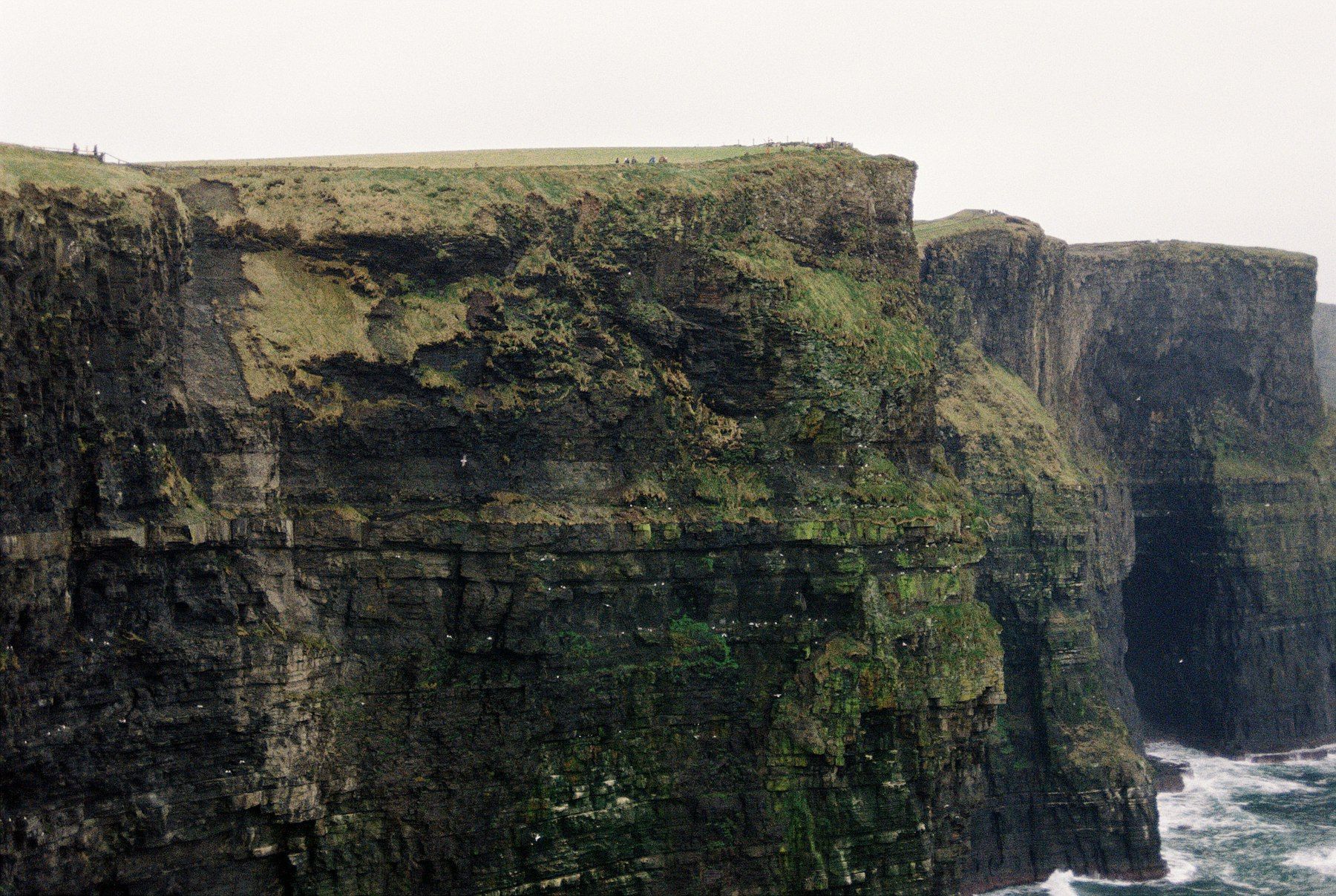
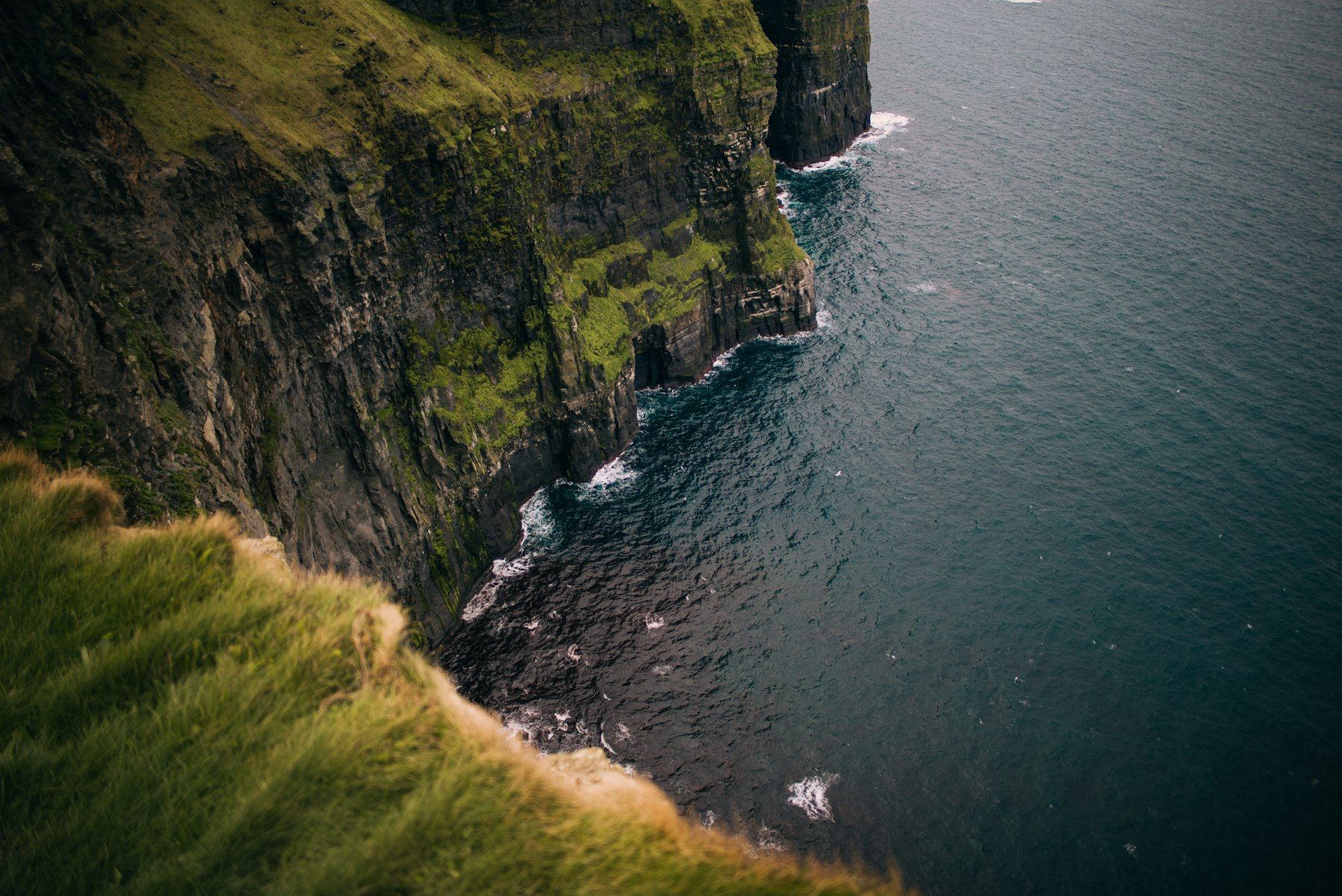
Join a day tour from Galway or hire a car. The Cliffs of Moher run about 8 km along the Clare coast and reach 214 m, and you should reach the visitor centre early before the coaches. The Burren, a grey limestone plateau, fills the drive back.
Day 5: Galway to Killarney
Drive or take trains and buses south, about 4 hours with a change at Limerick or Ennis. Stop at Adare, a thatched-cottage village, if you have a car. Spend the evening in Killarney town and eat at a pub kitchen.
Day 6: Ring of Kerry
The Ring of Kerry is a loop of about 179 km. Drive it anticlockwise to avoid tour coaches or join a day tour. Add Killarney National Park, Muckross House and Ladies View, and carry a rain jacket even in summer.
Day 7: Killarney to Cork
Take the morning train or bus to Cork, about 1.5 to 2 hours. Visit the English Market, walk the Shandon area and add Blarney Castle if the weather is dry.
Day 8: back to Dublin and home
Take an early train from Cork to Dublin, about 2.5 hours, and give yourself at least 3 hours before an international flight. If your flight leaves late, fit in Phoenix Park or Howth on the way.
Getting around Ireland
- Trains and buses: Irish Rail and Bus Éireann cover Dublin, Galway, Killarney and Cork. Book trains online for lower fares, and buy a Leap Card in Dublin for local buses, trams and the DART.
- Hiring a car: drive on the left, narrow roads, manual gearboxes are the cheapest. Rental firms set their own rules for age and licence history and may ask for an International Driving Permit, so confirm before booking.
- Day tours: from Dublin, Galway and Killarney, tours cover the Cliffs of Moher and Ring of Kerry, and suit people who dislike driving on the left.
- Northern Ireland: the Giant’s Causeway and Belfast are in the UK, and the Irish visa does not cover them. See the UK guide if you want to add it.
Vegetarian and Jain eating
Irish menus lean on meat and fish. In Dublin, Galway and Cork you will find Indian restaurants, vegetarian cafes and vegan menus. In small towns, expect vegetable soup, brown bread, eggs, salads and potato dishes, and ask about stock. Strict Jain travellers should carry dry snacks and look for kitchens that can leave out onion and garlic.
Best time to go
May to September has the longest days: sunset in Dublin is close to 10 pm in June. July and August are busiest and priciest. April and October are cheaper and wetter. Rain can come in any month, so pack layers and a waterproof jacket, and don’t plan outdoor tours for a single fixed day. Winter days are short, and some rural sights and B&Bs close.
Practical tips
- Money: a forex card or Visa or Mastercard works almost everywhere. Don’t plan on UPI.
- SIM: an eSIM bought before you fly works from landing.
- Plugs: Ireland uses the Type G three-pin plug at 230 V, as in the UK, so bring an adapter.
- Booking: reserve Guinness Storehouse, the Book of Kells and Kilmainham Gaol before you travel, and car hire as soon as dates are fixed.
- Insurance: buy cover that matches your visa dates, and keep the policy on your phone for arrival.
Related guides
Planning a bigger Europe trip? Try the Iceland guide for another Atlantic coast, or the UK 7-day plan for London and Edinburgh. All facts for Ireland are on the Ireland hub.
Frequently asked questions
Do Indians need a visa for Ireland?
Yes. The Embassy of Ireland in New Delhi's page for Indian applicants lists a fee and VFS appointment process, so Indian passport holders apply for an Irish short-stay 'C' visa before travel. Ireland is not in the Schengen Area, so a Schengen visa does not cover it.
How much is the Ireland visa fee for Indians?
The New Delhi embassy lists ₹5,300 for a single-entry visa and ₹9,000 for a multiple-entry visa, with the euro fees on the Irish Immigration table at €60 and €100. VFS charges its own service fee on top. Multiple-entry visas are granted in limited circumstances, so a first trip is normally single entry.
How long does an Ireland visa take from India?
The embassy's page, updated on 17 September 2026, gives 6 to 8 weeks for a visit visa, counted from the day the embassy receives your file. It excludes the wait for a VFS slot and courier time. The embassy says to apply up to 90 days before travel, and that you do not need flight bookings first.
Can I visit Ireland with a UK visa?
Some Indian passport holders with a valid UK visitor visa can travel onward to Ireland without an Irish visa, under the British and Irish Visa Scheme, but only after entering the UK as a visitor and while their UK leave is valid. Check the conditions on the embassy's page before you rely on it. A UK ETA does not apply to Indian passport holders.
How many days are enough for Ireland?
Eight days covers Dublin, Galway, the Cliffs of Moher, the Ring of Kerry and Cork without rushing. With five days, do Dublin, the Cliffs of Moher and Galway only. Ireland looks small on the map but the west-coast roads are slow.
Do I need to hire a car in Ireland?
It helps for the Ring of Kerry and the Burren, but it is not required. Trains and buses link Dublin, Galway, Killarney and Cork, and day tours cover the Cliffs of Moher and the Ring of Kerry. Cars drive on the left, and automatics cost more than manuals.
Is Ireland good for vegetarians from India?
Yes in the cities. Dublin, Galway and Cork have Indian restaurants and most cafes mark vegetarian and vegan dishes. In small towns, expect soups, bread, eggs and potatoes, and ask about stock. Jain travellers should carry dry snacks.
Is Northern Ireland covered by the Irish visa?
No. Northern Ireland is part of the UK, so the Giant's Causeway and Belfast need a UK visa unless you qualify under the shared-visa scheme. This plan stays in the Republic.